
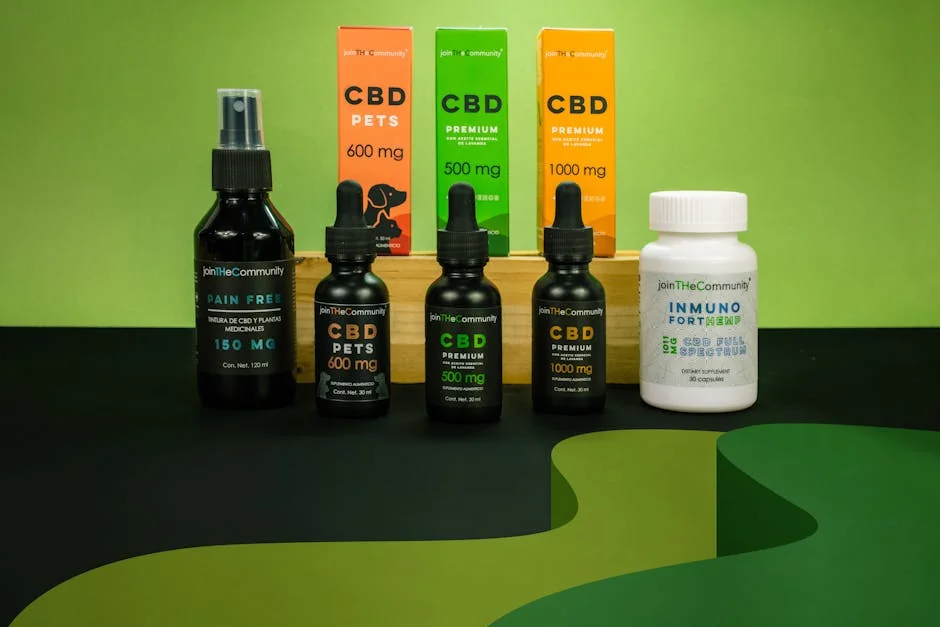
Determining if your dog needs supplements starts with analyzing their current diet, age, and health status. While the pet wellness industry markets vitamins and additives aggressively, the answer is rarely a simple “yes” or “no”—it depends entirely on what is already in your dog’s bowl.
This guide breaks down exactly when supplements provide value, when they are a waste of money, and when they might actually harm your dog.
The General Rule: Healthy Dogs on Commercial Diets
If your dog is healthy, young-to-middle-aged, and eating a high-quality commercial dog food, supplements are generally unnecessary.
Commercial dog foods label their products as “complete and balanced,” usually adhering to standards set by the Association of American Feed Control Officials (AAFCO). This regulatory label means the food is formulated to provide every wide-ranging nutrient your dog needs for daily maintenance. This includes precise ratios of calcium to phosphorus, essential vitamins, and required minerals.
When you add a multivitamin to a diet that is already chemically balanced, you risk upsetting that balance. In many cases, your dog simply urinates out the excess water-soluble vitamins, meaning you are flushing money down the drain.
When Supplements Become Necessary
While healthy dogs on kibble may not need extra support, many dogs fall into specific categories where diet alone isn’t enough to manage health concerns. In these instances, targeted supplementation is highly beneficial.
Joint Support for Active and Senior Dogs
Joint supplements are arguably the most scientifically supported category of canine supplements. If you have a large breed prone to hip dysplasia, a working dog, or a senior dog showing signs of stiffness, joint support is often necessary.
Look for specific ingredients that repair cartilage and reduce inflammation:
- Glucosamine and Chondroitin: Helps repair and maintain cartilage.
- MSM (Methylsulfonylmethane): Reduces pain and inflammation.
- Green Lipped Mussel: Provides potent anti-inflammatory properties.
Skin and Coat Issues
If your dog suffers from itchy skin, excessive shedding, or a dull coat, their diet may lack sufficient fatty acids. While many dog foods include Omega fatty acids, the processing and high heat used to make kibble can degrade them.
Adding a fish oil supplement (specifically one rich in Omega-3s like EPA and DHA) can drastically improve skin barrier function and coat texture. This is often a necessary addition for dogs with environmental allergies.
Digestive Health
Probiotics and prebiotics are necessary for dogs with chronic digestive issues, such as loose stool, gas, or a sensitive stomach. This is particularly true if your dog has recently finished a round of antibiotics, which wipes out the gut microbiome. A high-quality probiotic supplement helps recolonize the gut with beneficial bacteria.
The Exception: Home-Cooked and Raw Diets
If you prepare your dog’s meals at home—whether cooked or raw—supplements are absolutely necessary.
It is mathematically difficult to balance a homemade diet using whole food ingredients alone. Without precise calculation, homemade diets frequently lack calcium, iodine, zinc, and vitamin D. Long-term nutritional deficiencies can lead to bone fractures, thyroid issues, and organ damage.
If you feed homemade meals, you must use a comprehensive meal balancer supplement or follow a recipe designed by a veterinary nutritionist that includes specific nutrient additives.
The Dangers of Over-Supplementation
More is not always better. One of the biggest risks of giving supplements to a dog primarily on a specific commercial diet is toxicity.
Fat-Soluble Vitamin Toxicity
Vitamins A, D, E, and K are fat-soluble, meaning they are stored in the body’s fat and liver rather than excreted. If you provide a multivitamin on top of nutrient-dense dog food, these levels can build up to toxic heights. Hypervitaminosis A can cause bone spurs and stiffness, while excessive Vitamin D can lead to kidney failure.
Calcium Imbalances in Puppies
You must be extremely careful with large-breed puppies. Giving calcium supplements to a growing Great Dane or Labrador can lead to severe orthopedic diseases like osteochondritis dissecans (OCD). Commercial puppy foods are rigorously formulated to control growth rates; adding calcium disrupts this and causes bones to grow faster than the body can support.
How to Choose High-Quality Supplements
The pet supplement market is loosely regulated compared to pharmaceuticals. If you have determined your dog needs a supplement, you must vet the product to ensure safety and efficacy.
Check for the NASC Seal
Look for the National Animal Supplement Council (NASC) Quality Seal on the packaging. Companies displaying this seal undergo regular audits to ensure their labels are accurate and their manufacturing processes are safe.
Read the Ingredient List
Avoid products where fillers (like maltodextrin, coin, or soy) are the first ingredients. Look for “therapeutic levels” of the active ingredients. For example, a joint supplement with only 50mg of Glucosamine will do nothing for a 50-pound dog; you generally need products offering significantly higher concentrations to see a result.
Consult Your Veterinarian
Before adding anything to your dog’s regimen, run it by your vet. They can look at your dog’s specific medical history and current food to determine if a supplement will interact with medications or cause a nutrient excess.
Summary Checklist
To decide if you should buy that supplement, ask yourself these three questions:
- Is my dog on a “complete and balanced” commercial diet? If yes, skip the general multivitamins.
- Does my dog have a specific problem (joints, itchiness, anxiety)? If yes, look for a targeted supplement for that specific issue.
- Am I cooking for my dog? If yes, you must use a balancer supplement to prevent malnutrition.