
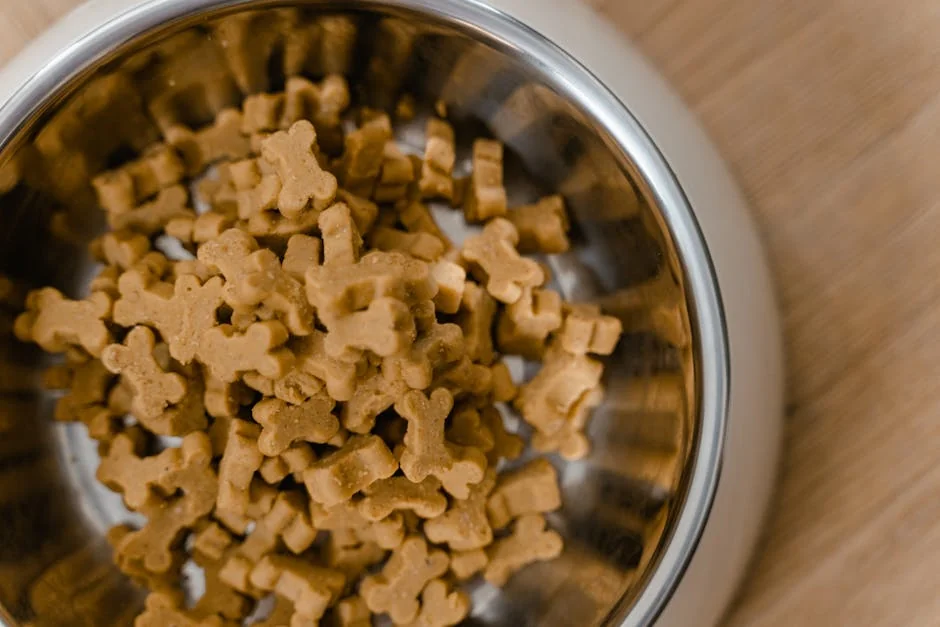
Your dog’s food is more than just fuel; it is the foundation of their long-term health, vitality, and longevity. If you notice persistent health issues, behavioral changes, or physical deterioration, the contents of your dog’s bowl are often the primary culprit.
Here are the specific, actionable signs that indicate your dog’s current diet is not meeting their nutritional needs and requires an adjustment.
Digestive Distress and Irregular Bowel Habits
The most immediate indicator of dietary incompatibility is found in your dog’s digestive output. While an occasional stomach upset can happen to any dog, chronic issues suggest the daily diet is wrong.
Inconsistent Stool Quality
You should monitor your dog’s stool daily. A healthy dog on a highly digestible diet produces small, firm, and consistent stools. If you observe frequent diarrhea, soft stool, or an excessive volume of waste, it indicates your dog is not absorbing nutrients effectively. Large, bulky stools often mean the food is packed with cheap fillers like corn, wheat, or soy, which pass through the system largely undigested.
Chronic Gas and Flatulence
While some gas is normal, room-clearing flatulence is not. If your dog has constant gas, their gut is likely struggling to break down specific ingredients, causing fermentation in the intestines. This is frequently caused by low-quality proteins, excessive carbohydrates, or legumes that your dog’s digestive enzymes cannot handle.
Skin and Coat Deterioration
Your dog’s skin and coat are external mirrors of their internal health. When a diet lacks essential fatty acids or contains an allergen, the skin is usually the first organ to suffer.
Dull, Brittle, or Flaky Coat
A healthy dog should have a shiny, smooth coat. If the fur feels coarse, looks dull, or if you see dandruff flakes (seborrhea) on their skin, the diet likely lacks sufficient Omega-3 and Omega-6 fatty acids. Many commercial kibbles process these fragile fats out of the food, requiring you to supplement or switch to a diet richer in fresh, whole-food sources like fish oil or flaxseed.
Excessive Itching and Hot Spots
If your dog is constantly scratching, licking their paws, or chewing on their skin, and you have ruled out fleas, food allergies are the likely cause. Ingredients like chicken, beef, dairy, or grains are common allergens. This immune response manifests as skin inflammation, leading to redness, hair loss, and painful hot spots. Ignoring this sign can lead to secondary bacterial infections.
Unexplained Weight Changes
Even if you are feeding the recommended portions listed on the bag, your dog’s weight might fluctuate if the nutrient density does not match their metabolic needs.
Inability to Maintain a Healthy Weight
If your dog is gaining weight despite regular exercise, the food may be too caloric or high in simple carbohydrates, which spike insulin levels and promote fat storage. Conversely, if your dog is losing weight or looks gaunt despite eating a full meal, the food may have low bioavailability. This means the nutrients exist on the label, but your dog isn’t actually absorbing them during digestion using them to build muscle.
Lethargy or Hyperactivity
Diet directly impacts energy. A dog fed a diet high in sugars and fillers may experience “sugar highs” followed by crashes, leading to erratic behavior. If your dog seems consistently lethargic or lacks the stamina for activities they usually enjoy, they may be suffering from a nutrient deficiency or simply aren’t getting enough viable energy from their protein source.
Recurrent Ear Infections
Many owners treat ear infections as a hygiene issue, but chronic cases are frequently tied to diet. Yeast thrives on sugar and carbohydrates. If you are feeding a grain-heavy or starch-heavy kibble (including potatoes or peas), you may be inadvertently feeding the yeast in your dog’s ear canals.
If you find yourself constantly treating brown, smelly buildup in your dog’s ears, switching to a low-carbohydrate or elimination diet is often necessary to stop the cycle of inflammation and infection.
Behavioral Indicators
Sometimes, your dog will tell you the food is wrong through their behavior around mealtime.
Coprophagia (Eating Feces)
While this behavior can be behavioral, it is often a sign of malabsorption. If your dog’s body isn’t getting the enzymes or vitamins it needs from their food, they may instinctively try to “recycle” waste to capture those missing nutrients. This is a red flag that the current diet is nutrient-poor or highly indigestible.
Appetite Changes
If a typically food-motivated dog begins to turn their nose up at their bowl, pay attention. They may have developed a sensitivity to an ingredient that is making them feel nauseous after eating. Conversely, if your dog seems insatiable and constantly begs for food immediately after eating, their food may be full of fiber and air but lacking in satiating protein and fats.
How to Address the Issue
If you recognize these signs, do not change your dog’s diet overnight. Sudden switches can cause severe gastrointestinal upset.
- Consult a Professional: Speak with your veterinarian to rule out underlying illnesses unrelated to diet, such as parasites or thyroid issues.
- Read the Label: Avoid foods where “corn,” “wheat,” or “by-product meals” are listed in the first three ingredients. Look for named meat sources (e.g., “whole chicken” or “beef”) as the primary ingredient.
- Transition Slowly: Mix the new food with the old food over a period of 7 to 10 days, gradually increasing the ratio of the new diet.
- Consider an Elimination Diet: If you suspect allergies, switch to a limited-ingredient diet with a novel protein (one your dog has never eaten, like duck, venison, or salmon) to isolate the trigger.
By observing these signs and taking action, you ensure your dog receives the nutrition they need to thrive, rather than just survive.