
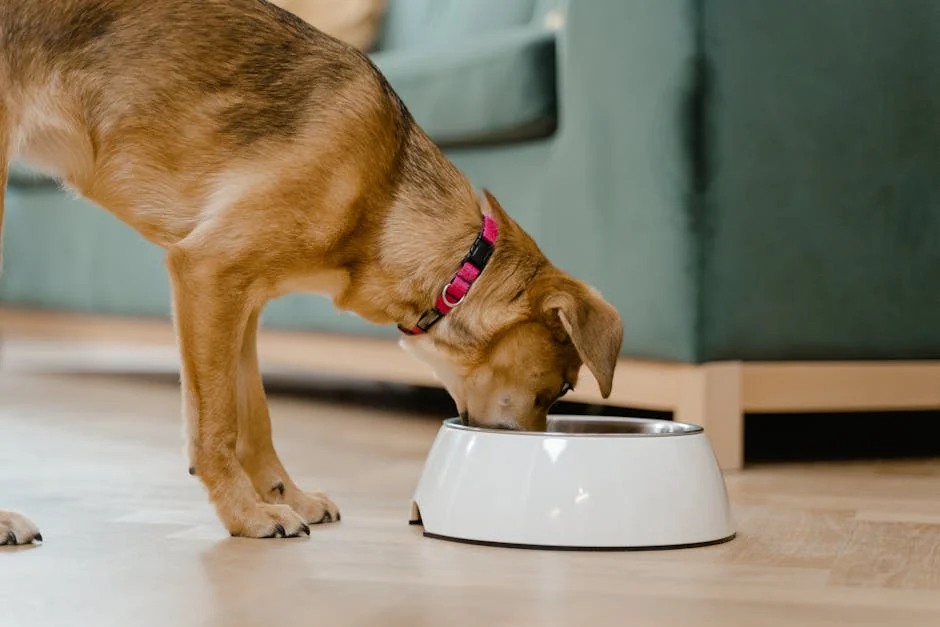
Switching your dog’s food is a necessary part of pet ownership, whether due to age, allergies, or a search for better nutrition. However, rushing this process can lead to severe gastrointestinal distress, resulting in a mess in your home and an unhappy pup. By following a gradual, calculated schedule, you can transition your dog to new food safely and ensure their digestive system adapts without issue.
Follow the 7-Day Gradual Transition Plan
The safest way to change your dog’s diet is by mixing the current food with the new formula over the course of one week. This allows your dog’s gut microbiome to adjust to new ingredients and nutrient profiles.
Follow this ratio schedule to minimize the risk of stomach upset:
- Days 1 and 2: Feed 75% of the old food and 25% of the new food.
- Days 3 and 4: Feed 50% of the old food and 50% of the new food.
- Days 5 and 6: Feed 25% of the old food and 75% of the new food.
- Day 7 and beyond: Feed 100% of the new food.
If your dog has a known sensitive stomach, you should extend this timeline to 10 or even 14 days. In that scenario, spend three or four days at each mixing stage rather than just two.
Why You Cannot Switch Cold Turkey
You might wonder why such a slow process is necessary when humans eat different meals every day. The difference lies in the gut bacteria.
Your dog’s digestive system adapts specifically to the macronutrients and ingredients in their regular diet. Their gut flora and digestive enzymes become specialized to break down that specific formula. When you suddenly introduce a new protein source, fiber type, or fat content, the gut is unprepared to process it.
This sudden shock leads to the most common symptoms of a bad transition: diarrhea, excess gas, and vomiting. By blending the diets, you give the digestive enzymes time to recalibrate for the new ingredients.
Watch for Warning Signs
Even with a 7-day plan, some dogs may struggle. You need to monitor your dog’s stool quality and behavior closely during this week.
Soft Stools vs. Diarrhea
A slight softening of the stool is normal during a transition. However, if you see liquid diarrhea, mucus, or blood, the transition is moving too fast.
Action: Stop increasing the new food. Revert to the previous ratio (e.g., go back from 50/50 to 75/25) and stay there for an additional 2–3 days until the stool firms up.
Vomiting
Vomiting immediately after eating implies the new food might not agree with your dog, or they ate too quickly. If vomiting occurs hours later, it is likely a digestion issue.
Action: If vomiting happens once, pause the transition and offer a bland diet (like boiled chicken and rice) for 24 hours. If it persists, consult your veterinarian, as the new food may contain an ingredient your dog is intolerant to.
Refusal to Eat
Sometimes the issue isn’t digestion, but preference. Your dog may simply dislike the smell or texture of the new kibble or wet food.
Action: Do not force the issue by starving them. Try adding a small amount of warm water or low-sodium broth to the mix to enhance the aroma. If they pick out the old food and leave the new food, you may need to slow the ratio progression further.
Handling Specific Diet Changes
Not all food transitions are created equal. Switching brands of kibble is generally easier than changing the type of food entirely.
Switching from Puppy to Adult Food
You generally transition a puppy to adult food when they stop growing—around 12 months for small breeds and 18–24 months for large breeds. Because puppy food is calorie-dense and adult food is leaner, the metabolic shift is significant. Watch for hunger pangs; the lower calorie count in adult food might leave high-energy dogs feeling unsatisfied initially.
Switching from Kibble to Raw or Certain Prescription Diets
Moving from a processed kibble to a raw diet or a high-fiber prescription diet represents a massive change in digestion mechanics.
- Raw Diets: The pH of the stomach must change to digest raw meat and bone safely. This often requires a longer transition (up to two weeks).
- Drastic Fiber Changes: Going from grain-free to grain-inclusive (or vice versa) changes fermentation in the gut. Expect increased flatulence during the “50/50” days.
Final Success Check
You know the transition is complete and successful when your dog is eating the new food eagerly, maintaining their weight, and producing firm, consistent stools.
If you complete the transition and your dog continues to have loose stools or flatulence after two weeks on the new food, the formula is likely not a good match for their biology. At this point, you should consult your veterinarian to discuss alternative protein sources or hydrolyzed diets that may suit their system better.