
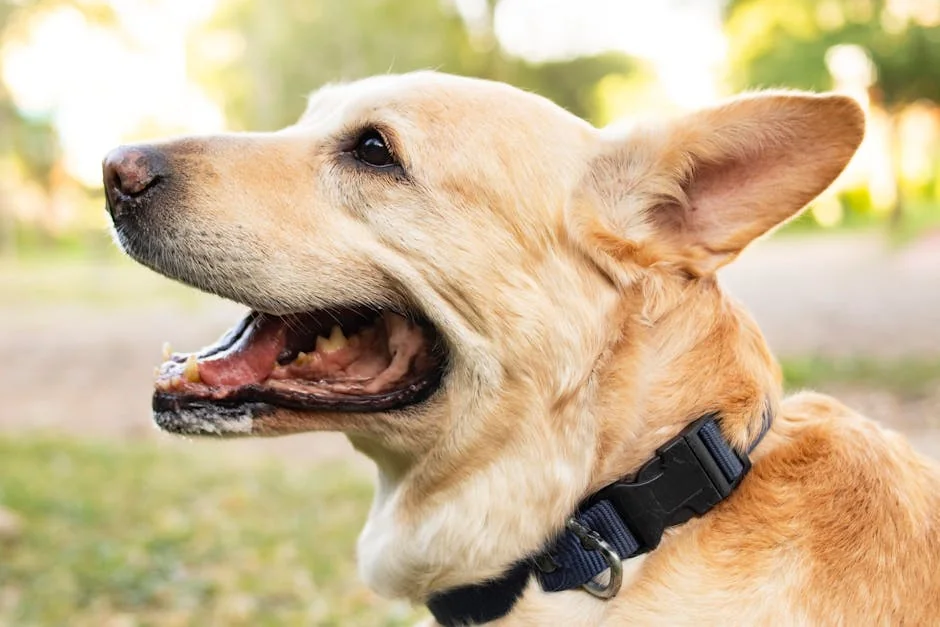
Choosing the right dog for a household with children requires balancing temperament, energy levels, and durability. You aren’t just looking for a pet; you are looking for a patient companion who can handle the unpredictable nature of family life while keeping everyone safe.
Here is a breakdown of the best dog breeds that are good with kids, along with the specific traits that make them suitable for family dynamics.
Vital Traits for Family Dogs
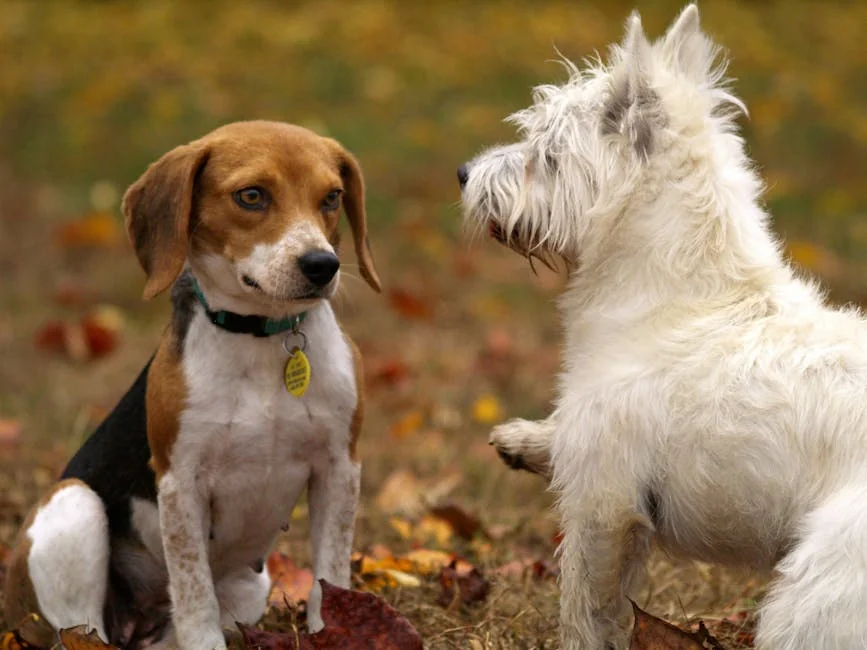
Before zeroing in on a specific breed, you must understand the three specific qualities that determine success in a home with children.
Temperament: You need a dog with a high tolerance for handling. Children may accidentally step on tails, pull ears, or hug too tight. The ideal family dog reacts to this with patience or by walking away, never with aggression.
Energy Level: This must match your family’s activity level. A high-energy dog in a sedentary home will become destructive, while a low-energy dog may not keep up with active kids.
Size and Sturdiness: Tiny toy breeds are often too fragile for toddlers who haven’t mastered their motor skills. Conversely, massive dogs might accidentally knock over small children. “Sturdy” dogs—those who can handle a bit of roughhousing—are usually the best choice.
The Gold Standards: Retrievers
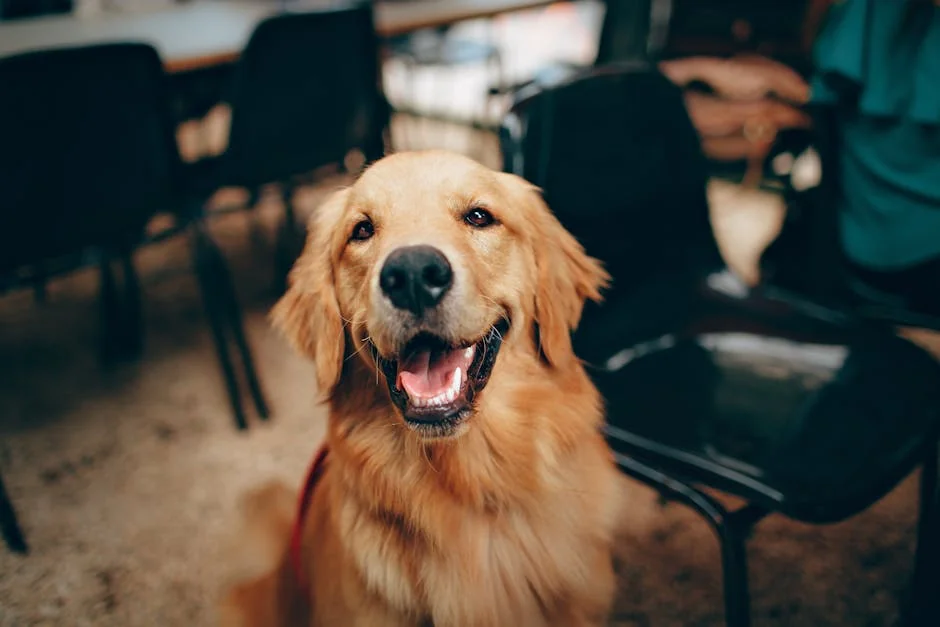
When discussing dog breeds that are good with kids, retrievers almost always top the list. These breeds are renowned for their eagerness to please and lack of aggression.
Golden Retriever
The Golden Retriever is often considered the ultimate family dog. They are exceptionally patient and possess a gentle mouth (bred to retrieve waterfowl without damaging it), which translates well to playing with children. They are highly trainable and generally have zero guarding instincts, meaning they welcome your children’s friends as happily as they welcome your own.
Labrador Retriever
Similar to the Golden, the Labrador is sturdy, playful, and affectionate. Labs are generally more energetic and boisterous than Goldens. If you have an active family that enjoys hiking, swimming, and playing fetch in the yard, a Lab is a perfect fit. Be aware that young Labs can be clumsy and hyperactive, so they often require consistent training to stop jumping on people.
Gentle Giants and Protectors
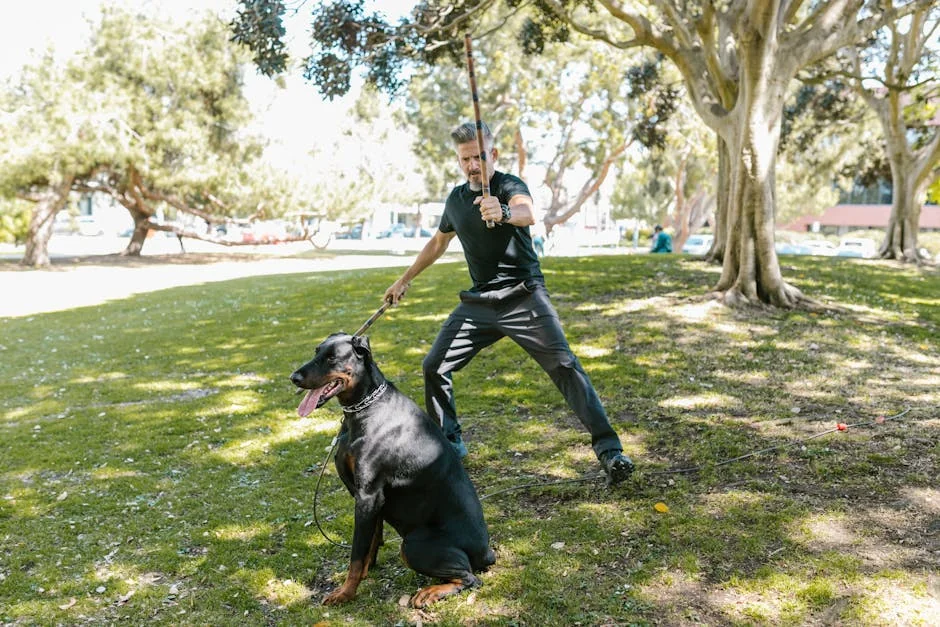
If you prefer larger dogs, several breeds are known for their “nanny-like” instincts. These dogs are large enough to be durable but gentle enough to be safe.
Newfoundland
Newfoundlands are famous for their sweet disposition and natural instinct to protect children. Despite their massive size, they are incredibly calm indoors. They are patient listeners and tolerate curious toddlers well. However, you must be prepared for heavy shedding and drool.
Boxer
The Boxer is a high-energy, athletic dog that creates strong bonds with children. They are known as the “clowns” of the dog world because of their playful antics. Boxers are distinctive because they are protective without being aggressive. They will watch over the kids in the yard but are generally friendly to welcomed guests. Their high energy makes them better suited for school-aged children rather than frail toddlers who might get knocked over.
Bernese Mountain Dog
These large, fluffy working dogs are calm, confident, and eager to please. They are typically less energetic than Goldens or Labs, making them good for families who want a big dog that doesn’t need miles of running every day. They are exceptionally gentle, though they have a shorter lifespan than smaller breeds due to their size.
Small and Sturdy Breeds
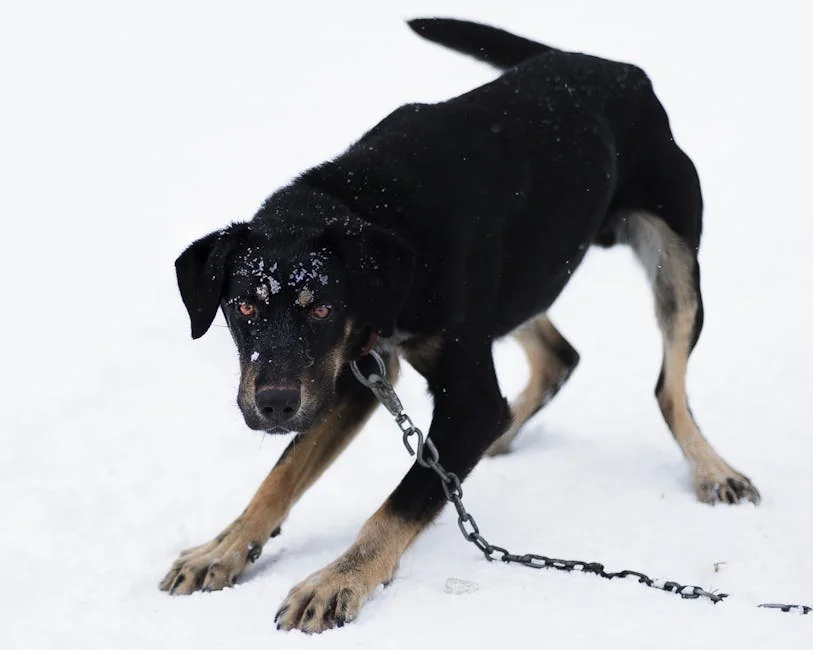
Not every family has the space for a giant breed. If you need a smaller dog, look for sturdiness over delicacy.
Beagle
Beagles are pack animals, which means they thrive on companionship and generally get along with other dogs and humans alike. Their size is manageable for most homes, and they are sturdy enough to play outside. Beagles are nose-driven and can be stubborn, so keep them leashed or in a fenced yard, as they will follow a scent anywhere.
Bulldog
If your family is more relaxed and prefers movie nights to marathons, a Bulldog is an excellent choice. They are robust and heavy-set, meaning they can tolerate rough play without getting hurt, but they are generally low-energy. They are affectionate and loyal, though they can be prone to overheating in hot weather.
Cavalier King Charles Spaniel
For families who want a true lap dog, the Cavalier is arguably the best option. They are bred specifically for companionship. While small, they are usually not as “yippy” or nervous as other toy breeds. Their main goal is to be with their people. They are incredibly gentle, though you must teach children to be careful with them due to their smaller size.
Hypoallergenic Options
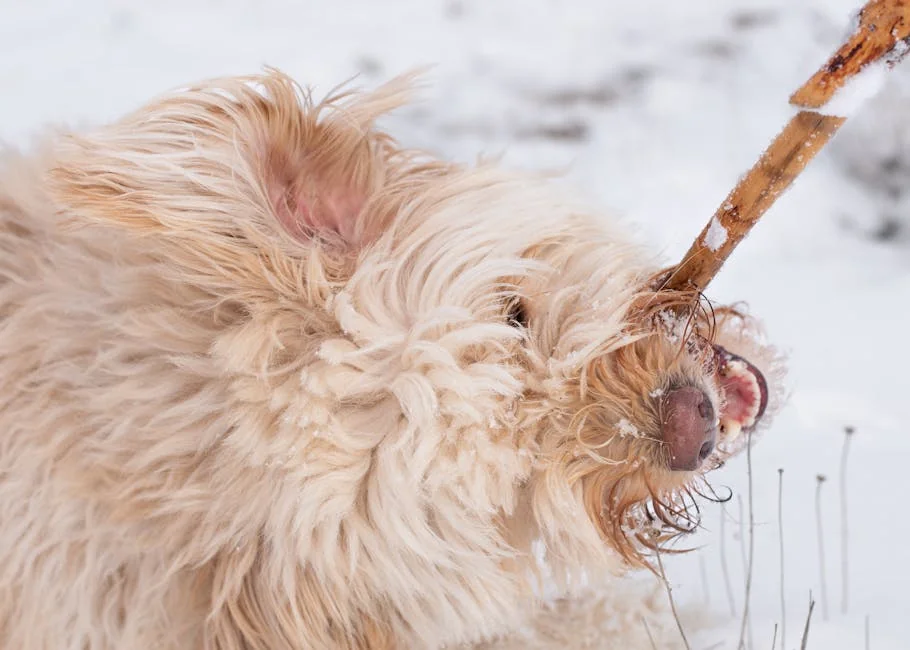
If allergies are a concern in your household, you need a breed with hair rather than fur.
Poodle (Standard or Miniature)
Poodles are often misunderstood as fussy show dogs, but they are actually athletic, highly intelligent working dogs. A Standard Poodle is large and durable, making them great playmates for kids. They shed very little, which keeps dander down. Because they are so smart, they require mental stimulation—puzzle toys and trick training are a must.
Soft Coated Wheaten Terrier
Originating from Ireland, these dogs are happy, energetic, and deeply devoted to their families. They shed very little but require regular grooming to prevent matting. They are generally friendlier and less scrappy than other terrier breeds, making them a solid choice for families.
Practical Considerations for Safety

Choosing the right breed is only the first step. To ensure a safe environment, you must actively manage the relationship between the dog and your children.
Adopt an Adult Dog
Puppies nip, jump, and scratch with sharp teeth. They require immense amounts of time and patience. For families with very young children, adopting an adult dog (2+ years old) from a foster-based rescue can be safer. Foster parents can tell you exactly how the dog reacts to children, and the dog has likely outgrown the destructive puppy phase.
Supervision is Non-Negotiable
Regardless of the breed, you should never leave a young child and a dog unsupervised. Even the most patient Saint Bernard has a breaking point. Accidents happen in split seconds—a child falls on the dog, or the dog gets startled.
Teach “Dog Manner”
You must teach your children to respect the dog’s space. Enforce rules such as:
- Never disturb a sleeping or eating dog.
- Do not climb on the dog.
- Do not pull tails or ears.
- Ask permission before hugging (dogs often dislike confining hugs).
By selecting a breed known for patience and durability, and combining that choice with proper training and supervision, you ensure your new dog becomes a beloved family member rather than a source of stress.