
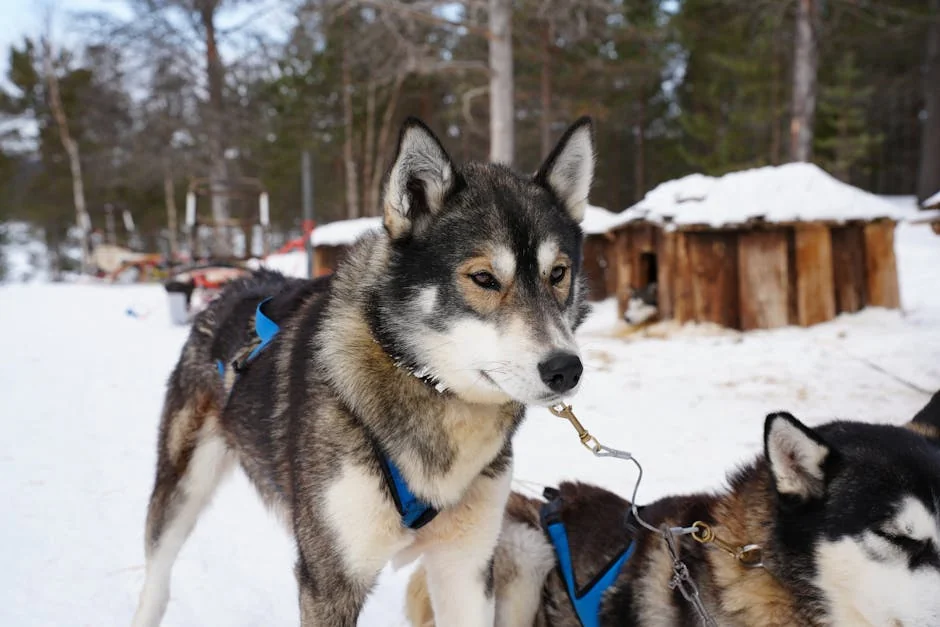
Walking your dog seems like the most basic aspect of pet ownership, yet it is where many behavioral issues begin. By correcting a few subtle but significant dog walking mistakes, you can transform a chaotic chore into a bonding activity that provides mental satisfaction for your dog and relaxation for you.
Using the Wrong Equipment
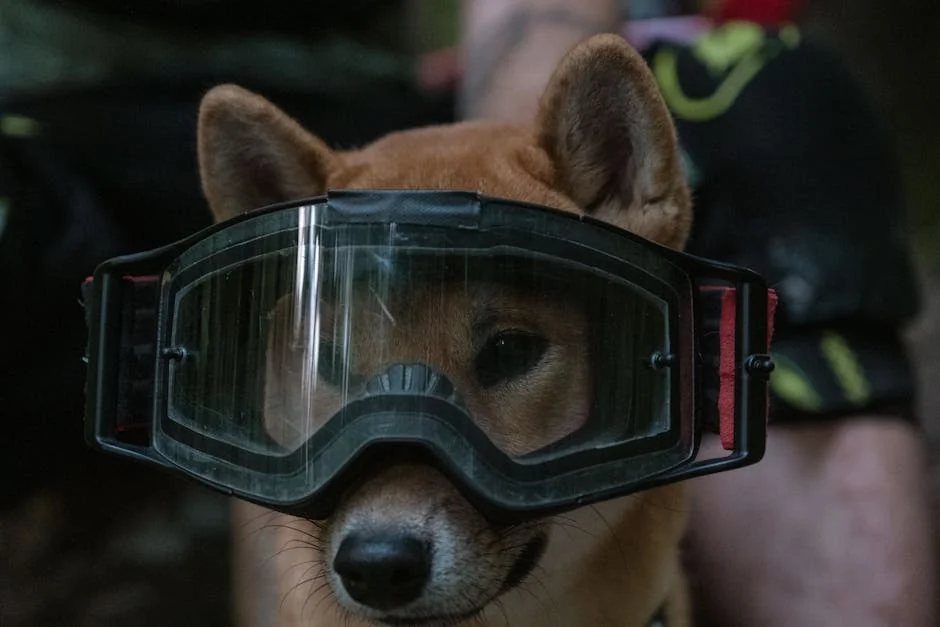
The tools you use to connect with your dog dictate the quality of the walk. Many owners default to equipment that actually encourages pulling or compromises safety.
Retractable Leashes imply Lack of Control
Retractable leashes are one of the most common offenders in poor walking etiquette. These leashes teach your dog that pulling extends their range, rewarding the exact behavior you want to stop. Furthermore, the thin cord offers zero control in emergencies. If an off-leash dog approaches or a car swerves, you cannot reel your dog in quickly enough without risking rope burns or mechanism failure.
Switch to a fixed-length leash, preferably four to six feet long like a standard nylon or leather lead. This length allows your dog to explore safely while keeping them close enough for you to manage unexpected situations.
Ill-Fitting Harnesses or Collars
If your dog pulls, a back-clip harness might be making the problem worse by engaging their opposition reflex. When you pull back, they instinctively pull forward harder.
For strong pullers, consider a front-clip harness. When the dog pulls, the leash attachment at the chest gently redirects their body toward you, physically preventing them from generating forward momentum. Ensure any collar or harness fits snugly—you should be able to fit two fingers underneath straps, but no more.
Rushing the “Sniffari”
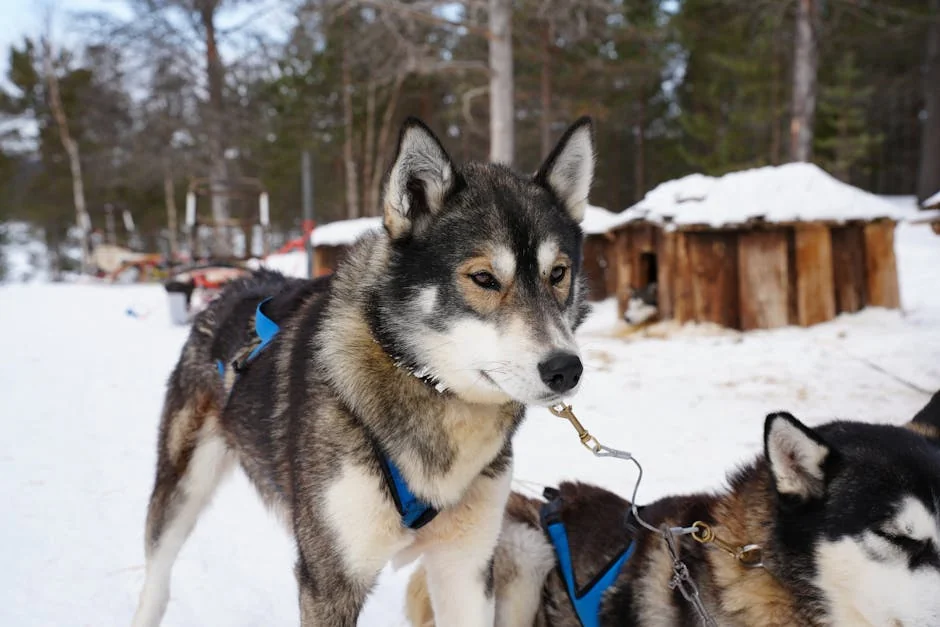
Many owners view the walk strictly as physical exercise or a bathroom break, rushing from point A to point B. However, a walk is the primary way your dog interacts with the world.
A dog’s nose is their primary sense organ. Denying them the chance to sniff is equivalent to walking a human through an art gallery while blindfolded. Sniffing provides intense mental stimulation, which tires a dog out faster than physical walking alone. Fifteen minutes of focused sniffing can be as exhausting as an hour of brisk walking.
Stop dragging your dog away from every tree or hydrant. designate specific “sniff breaks” or allow “decompression walks” where the pace is slow and the dog dictates where to investigate. This lowers their heart rate and reduces anxiety.
Inconsistent Leash Tension
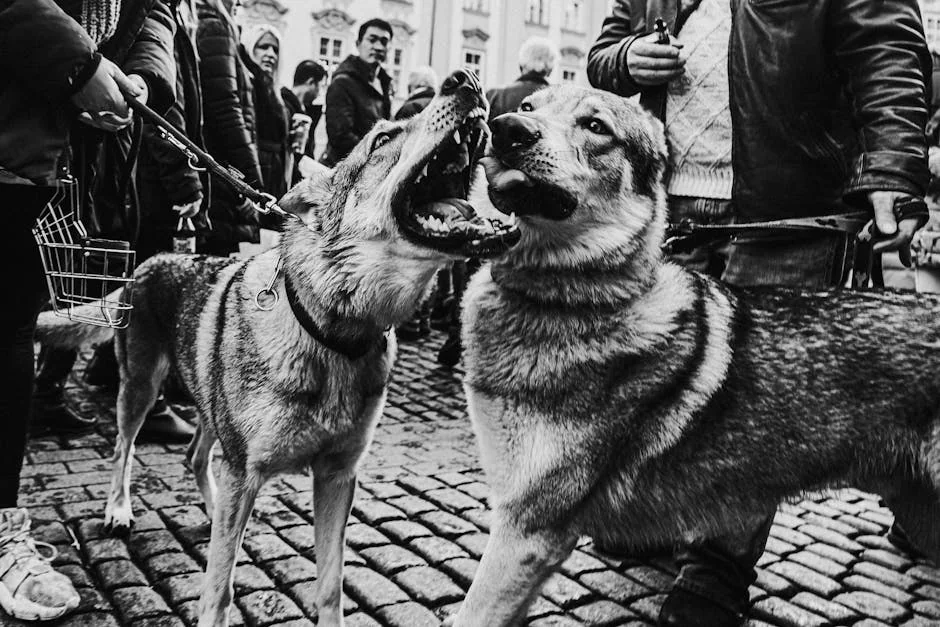
Leash reactivity often stems from how the human holds the lead. If you keep the leash tight and tense, that tension travels directly to your dog. They perceive your tightness as anxiety or a signal to be on alert, which can trigger lunging or barking at passersby.
The Tight Leash Feedback Loop
When you see a trigger (like another dog), your instinct may be to tighten up immediately. Your dog feels this restriction and frustration builds—a phenomenon known as “barrier frustration.”
Focus on keeping a “J” shape in the leash. This slack indicates to your dog that you are relaxed and in control. If you need to shorten the leash for safety, do so calmly without jerking, and release the tension the moment the threat has passed.
Ignoring Environmental Hazards
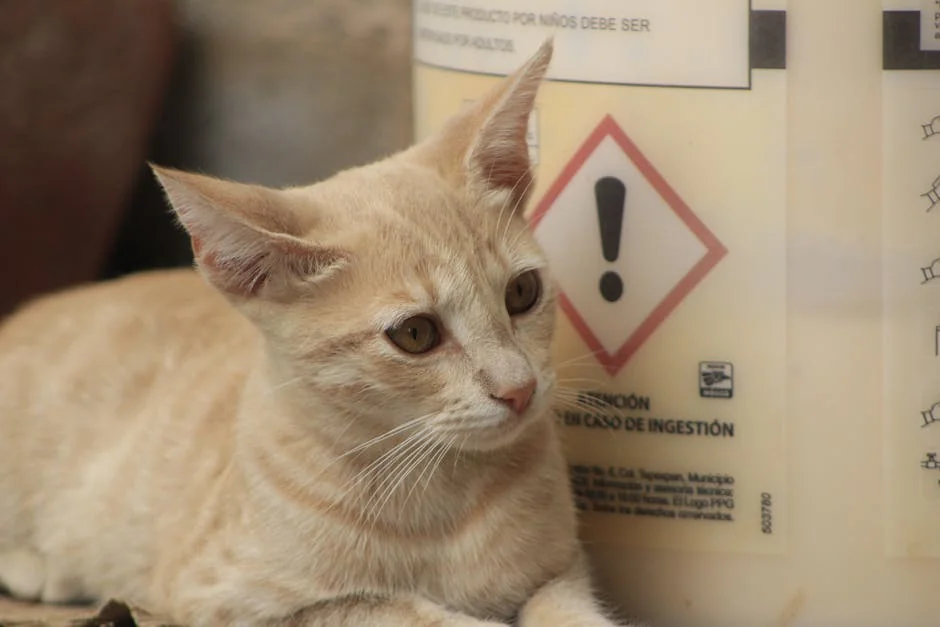
You might be walking your dog in conditions that are actively harmful to their health without realizing it.
Pavement Temperature
Asphalt and concrete absorb and retain heat quickly. If the air temperature is 77°F (25°C), the asphalt can reach 125°F (52°C)—hot enough to burn paw pads in 60 seconds. Before heading out, place the back of your hand on the pavement. If you cannot hold it there comfortably for five to seven seconds, it is too hot for your dog to walk. Stick to grass or walk during cooler parts of the day.
Dehydration risks
Dogs do not cool down as efficiently as humans. Panting is their primary cooling mechanism, which causes rapid water loss. On walks longer than 30 minutes, or during warmer weather, bring a collapsible water bowl and a bottle of water. Waiting until you get home can lead to heat exhaustion.
Being Distracted and Disconnected

Walking your dog while scrolling through social media or talking on the phone is a significant safety risk. You are the leader of the walk; you must be alert to the environment to advocate for your dog.
If you are looking at your phone, you might miss:
- Broken glass or chicken bones on the sidewalk.
- An aggressive off-leash dog rushing toward you.
- Subtle body language cues from your own dog indicating stress or pain.
Treat the walk as a shared activity. engage with your dog. Praise them when they look at you (checking in). reinforce good behavior immediately. Your active presence strengthens your bond and improves their obedience.
Failing to Advocate for Your Dog
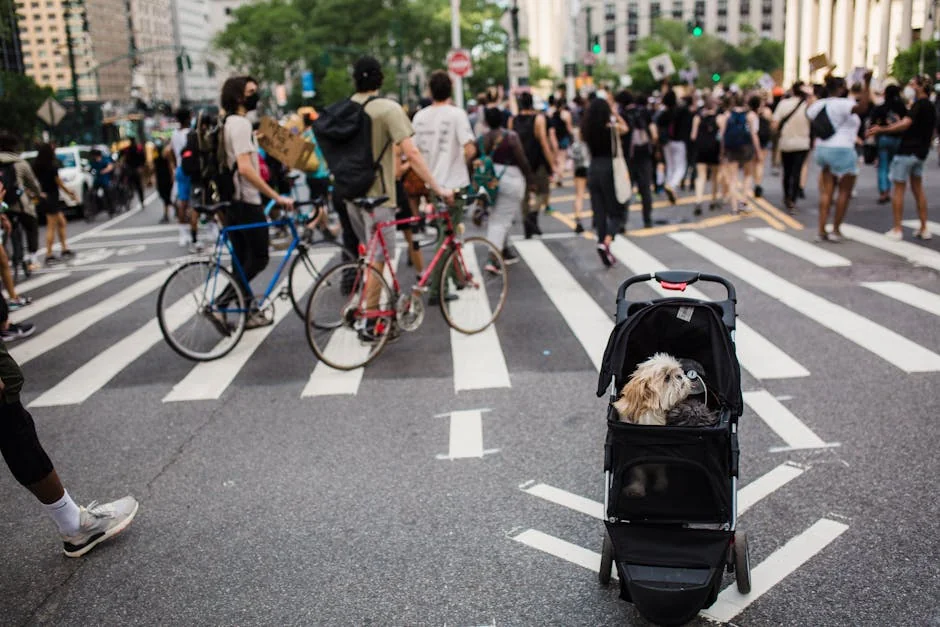
One of the biggest mistakes is allowing strangers or other dogs to approach your dog indiscriminately. Not all dogs are social, and even friendly dogs have limits.
When a stranger asks to pet your dog or someone shouts, “It’s okay, my dog is friendly!” while their off-leash dog charges you, you must intervene. If your dog is in training, anxious, or simply not in the mood, it is your job to say “No.”
Forcing your dog into interactions they are uncomfortable with erodes their trust in you. If they learn you won’t protect them, they may feel the need to protect themselves through growling or snapping. Be their advocate and prioritize their comfort over the politeness of strangers.