
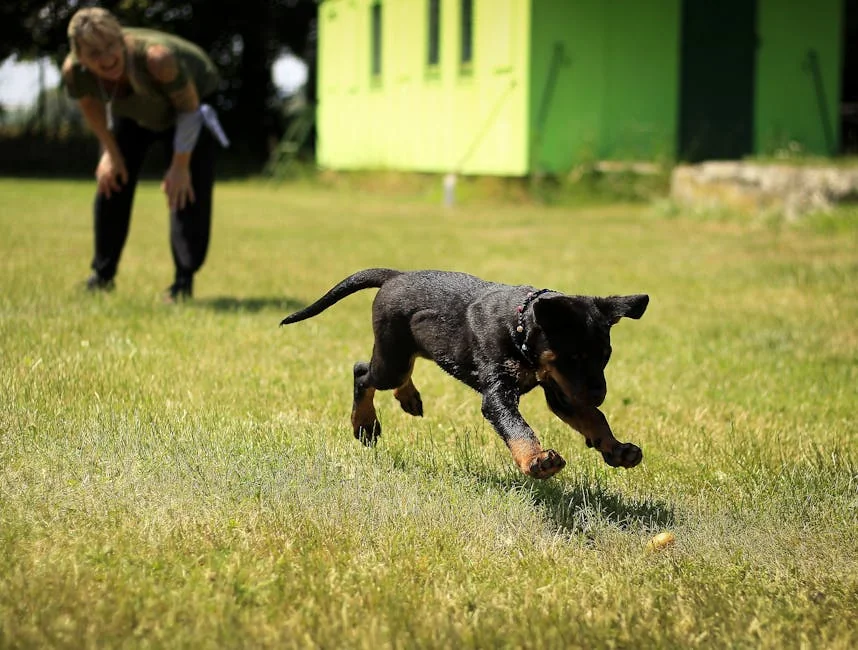
Training a dog is more than teaching them to shake hands or roll over; it is about establishing a clear line of communication between you and your pet. By implementing structured habits and understanding canine psychology, you can transform a chaotic household into a peaceful environment where your dog thrives.
Master the Art of Positive Reinforcement
Modern dog training relies heavily on positive reinforcement because it creates a dog that wants to work for you, rather than one that obeys out of fear. This method involves rewarding the behaviors you like and ignoring or redirecting the ones you don’t.
Timing is Everything
Your dog lives in the moment. To effectively communicate which behavior earned a reward, you must mark the action the second it happens. Many trainers use a clicker or a distinct marker word like “Yes!” to bridge the gap between the action and the treat.
If you tell your dog to sit, mark the behavior the instant their bottom hits the floor. If you fumble for a treat and give it to them three seconds later when they are standing up, you have just reinforced standing up, not sitting.
Uses High-Value Rewards
Not all rewards are created equal. In a quiet living room, a piece of dry kibble might be enough to get your dog’s attention. However, outside at a park with squirrels and other dogs, kibble won’t compete with the environment.
Reserve high-value treats—like small pieces of boiled chicken, cheese, or freeze-dried liver—for difficult tasks or high-distraction environments. This hierarchy of rewards keeps your dog motivated to focus on you regardless of what is happening around them.
Establish Consistency Across the Household
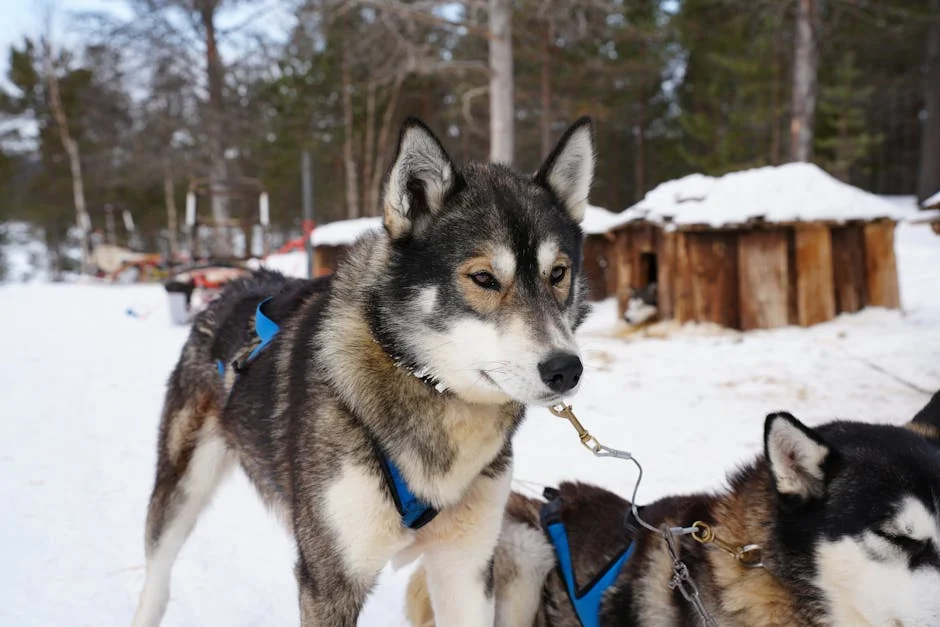
One of the fastest ways to confuse a dog is by enforcing inconsistent rules. If you do not allow the dog on the couch, but your partner invites them up for cuddles when you aren’t looking, the dog learns that rules are optional.
Sit down with everyone who interacts with the dog and agree on the rules. Decide exactly what the dog is allowed to do and which words you will use for commands. If you say “down” to mean “lie down,” but your spouse says “down” to mean “get off the furniture,” your dog will never learn either command effectively.
Keep Training Sessions Short and Focused
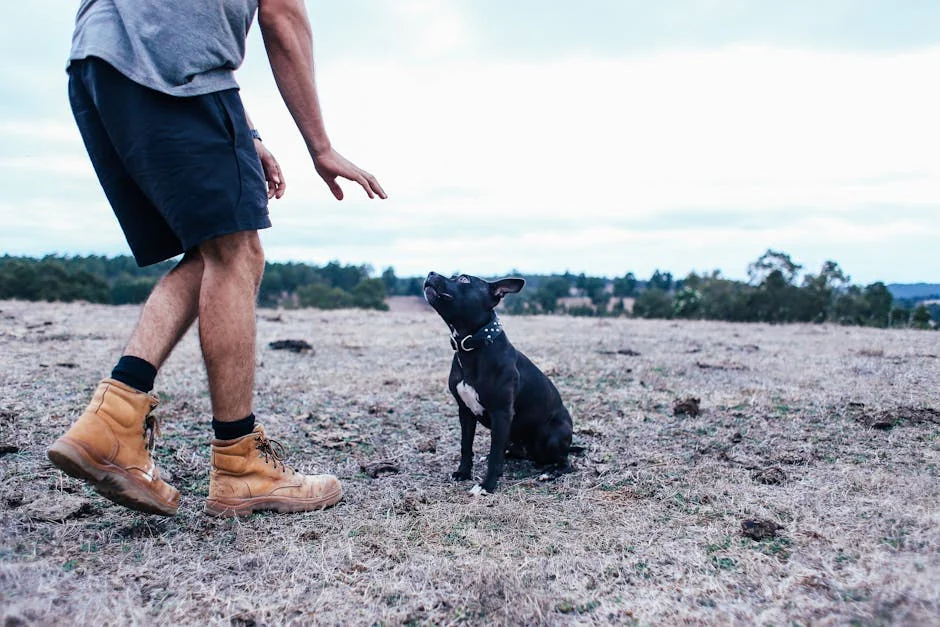
You might be tempted to dedicate an hour on Saturday to train your dog, but this is often counterproductive. Dogs, especially puppies, have short attention spans. Long sessions lead to frustration for both of you.
Aim for micro-sessions throughout the day. Three to five sessions lasting only 5 to 10 minutes each are far more effective than one long session. Focus on one or two specific skills per session. Always end the session on a high note. If your dog successfully performs a trick, reward them heavily and stop right there. This leaves them eager for the next session.
Prioritize the “Come” Command
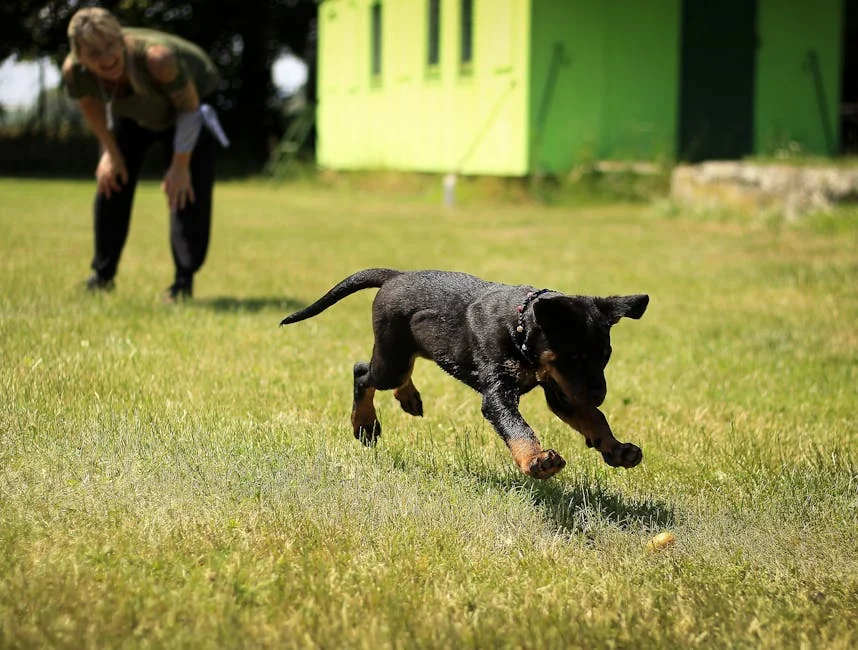
While “sit” is cute, “come” (recall) is a life-saving safety command. A solid recall ensures you can stop your dog from running into traffic or approaching a dangerous animal.
Never Punish the Return
This is the golden rule of recall: You must never punish your dog when they come to you, no matter what they did before.
If your dog runs off and ignores your calls for ten minutes, you will understandably be frustrated. However, if you scold them when they finally return, they will associate coming to you with punishment. They will be slower to return next time. When they come to you, it must always be a party—lots of praise and high-value treats.
Mental Stimulation is as Important as Exercise

Many behavioral issues, such as chewing furniture or excessive barking, stem from boredom. A physically tired dog might still be mentally restless. You need to exercise their brain as much as their legs.
incorporate these mental workouts into your daily routine:
- Puzzle Toys: Feed your dog their meals out of slow feeders or puzzle toys that require them to solve problems to get the food.
- Scent Work: Hide treats around the living room and encourage your dog to “find it.” Sniffing is incredibly exhausting and satisfying for dogs.
- Trick Training: Teaching complex tricks (like weaving through legs or cleaning up toys) requires deep focus and burns mental energy.
Socialization Means Exposure, Not Interaction
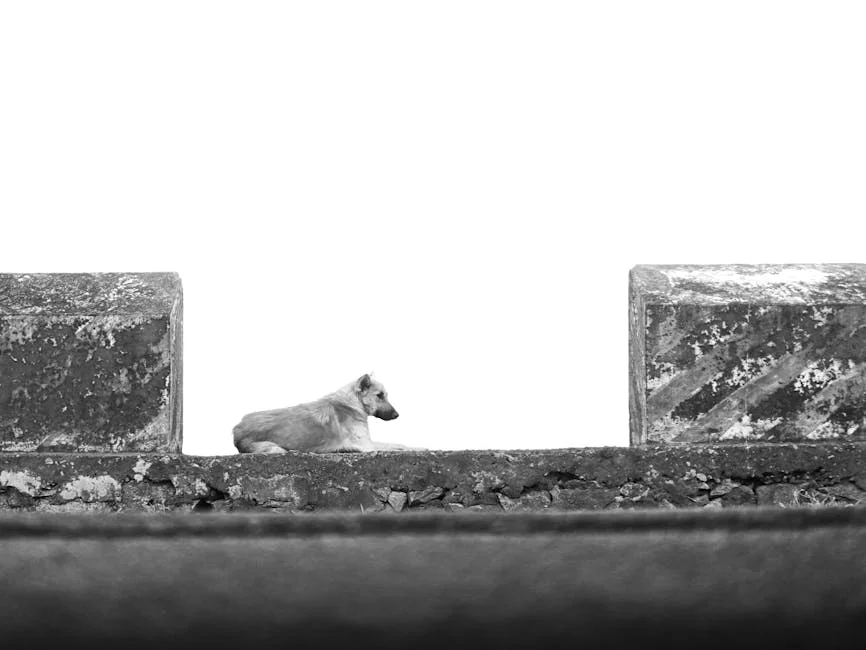
A common misconception is that socialization requires your dog to play with every dog and person they meet. In reality, proper socialization teaches your dog to be neutral and calm in the presence of new things.
Take your dog to hardware stores, parks, or busy streets and simply sit with them. Reward them for looking at a stranger or another dog and then looking back at you. You want your dog to understand that the world is full of interesting noises and sights, but they don’t need to react to everything. This prevents the development of leash reactivity and anxiety later in life.
Manage the Environment to Prevent Mistakes
It is unfair to correct a dog for mistakes they were set up to make. If your dog chews shoes, do not leave shoes by the door until they are fully trained. If they counteract surf, keep the counters clear of food.
By managing your home environment, you prevent the dog from practicing bad behaviors. The less they practice a bad habit, the easier it is to extinguish. Use baby gates, crates, and leashes inside the house to limit their freedom until they have earned your trust through consistent good behavior.
Dealing with Regression

Training is rarely a linear process. You may have weeks where your dog seems perfect, followed by a week where they seem to have forgotten everything. This is normal, especially during adolescence (around 6 to 18 months of age).
When regression happens, do not get angry. Instead, go back to basics. Lower your criteria, increase the value of your rewards, and practice in less distracting environments. Patience is your most valuable tool. If you stay consistent, the phase will pass, and your training will stick.