
Sharing food with your dog can feel like a bonding experience, but many common human foods are metabolically dangerous for canines. To protect your pet from accidental poisoning or severe health complications, you need to know exactly which items inside your pantry pose a threat.
Here are the seven most dangerous foods you should strictly avoid feeding your dog, along with the scientific reasons why they are harmful.
1. Chocolate and Caffeine

Most dog owners know chocolate is bad, but few understand the specific risks or that the danger varies by type. Chocolate contains methylxanthines, specifically theobromine and caffeine. Unlike humans, dogs cannot metabolize these stimulants effectively, leading to a toxic build-up in their system.
Understanding Toxicity Levels
Not all chocolate poses the same risk. The darker and more bitter the chocolate, the more dangerous it is.
- Baking chocolate and cocoa powder: These are the most toxic forms and can be fatal even in small amounts.
- Dark chocolate: Highly dangerous due to high cocoa content.
- Milk chocolate: Less toxic but still dangerous in larger quantities.
- White chocolate: Contains very little theobromine but poses a risk of pancreatitis due to high sugar and fat content.
Symptoms of chocolate poisoning include excessive thirst, panting, vomiting, diarrhea, and muscle tremors. In severe cases, it causes seizures and heart failure.
2. Xylitol (Artificial Sweetener)

Xylitol is arguably the most dangerous item on this list because it is found in unexpected products and requires only a tiny amount to be fatal. It is often used as a sugar substitute in sugar-free gum, candies, baked goods, breath mints, and even some brands of peanut butter.
When a dog ingests xylitol, their body mistakes it for real sugar and releases a massive amount of insulin. This causes a rapid, life-threatening drop in blood sugar (hypoglycemia) within 10 to 60 minutes.
Check Your Peanut Butter
Peanut butter is a common treat for dogs, used for administering pills or stuffing toys. However, many “natural” or diet peanut butter brands now use xylitol. Always read the ingredient label carefully before sharing this spread. If xylitol is listed, keep it far away from your pet.
3. Grapes and Raisins
Grapes and raisins act as unpredictable toxins for dogs. While the exact substance that causes the reaction remains unknown to veterinarians, the result is well-documented: acute kidney failure.
This toxicity is particularly frightening because it is idiosyncratic. Some dogs may eat a few grapes and suffer no ill effects, while another dog might eat a single raisin and experience fatal kidney shutdown. Because there is no way to predict how your dog will react, you must treat all grapes, raisins, and currants as strictly off-limits.
Watch out for these in trail mixes, cookies, and cereals, as raisins are easily dropped on the floor and scavenged.
4. Onions, Garlic, and Chives
Plants in the Allium family—including onions, garlic, chives, and leeks—damage your dog’s red blood cells. This damage prevents the cells from carrying oxygen effectively, leading to anemia.
The Cumulative Risk
Toxicity can occur whether the vegetable is raw, cooked, or dried. Powdered forms, such as onion powder or garlic powder found in seasoning salts and soup mixes, are significantly more concentrated and dangerous.
Symtoms of anemia may not appear immediately. Over a few days, you might notice your dog becoming lethargic, having pale gums, or passing reddish-brown urine. While a tiny piece of dropped onion might not hurt a large dog, regular exposure or a single large dose (like eating a container of salsa or stuffing) can be severe.
5. Macadamia Nuts
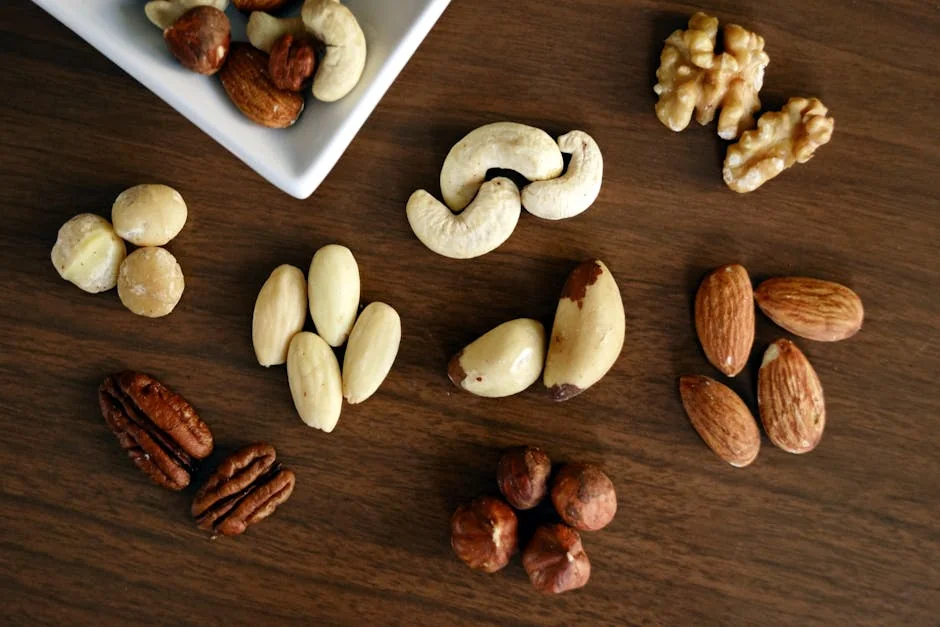
Macadamia nuts are extremely poisonous to dogs, though the mechanism is not fully understood. They are commonly found in baked goods like cookies and trail mixes.
Ingesting even a small handful of these nuts can cause a specific set of distressing symptoms:
- Weakness, particularly in the hind legs.
- Depression and lethargy.
- Vomiting.
- Hyperthermia (elevated body temperature).
- Tremors.
Symptoms usually appear within 12 hours of ingestion. While death is rare, the symptoms are painful and distressing for the animal, often requiring veterinary support to manage pain and hydration.
6. Alcohol and Raw Yeast Dough

Alcohol affects dogs much the same way it affects humans, but it takes far less to cause damage. Because dogs differ in size and metabolism, even small amounts of beer, liquor, or wine can cause vomiting, diarrhea, coordination problems, breathing difficulties, coma, and death.
The Danger of Raw Dough
Raw yeast dough poses a dual threat. First, the yeast ferments in the warm environment of the dog’s stomach, producing alcohol (ethanol) which is absorbed into the bloodstream, leading to alcohol poisoning.
Second, the dough expands significantly in the stomach. This expansion can cause severe bloating and may even twist the stomach (gastric dilatation-volvulus), which is a surgical emergency.
7. Cooked Bones
While raw bones are often fed as part of specific diets, cooked bones should never be given to a dog. The cooking process dries out the bone matrix, making it brittle and prone to splintering.
When a dog chews a cooked bone—such as those from a T-bone steak, chicken wings, or ribs—it can shatter into sharp shards. These shards can cause:
- Choking hazards.
- Lacerations to the mouth and throat.
- Broken teeth.
- Severe constipation or blockages.
- Perforation of the stomach or intestines, which causes deadly peritonitis.
Stick to commercially produced chew toys or digestible dental treats designed specifically for canine safety.
What to Do If Your Dog Eats These Foods
If you suspect your dog has consumed any of the foods listed above, time is critical. Do not wait for symptoms to appear, as organ damage often begins before your dog looks sick.
- Remove the item: Ensure your dog cannot eat any more of the toxin.
- Gather information: Determine exactly what was eaten and roughly how much. Check the packaging for ingredients (especially for xylitol).
- Contact a professional immediately: Call your veterinarian or an emergency animal hospital.
- Do not induce vomiting unknowingly: Unless explicitly instructed by a vet, do not induce vomiting, as some substances can cause more damage coming back up.
By keeping these seven foods out of reach and educating your family members, you ensure your dog stays healthy and avoids a preventable trip to the emergency room.