
Every dog owner wishes their companion could stay with them forever. While you cannot stop time, you can significantly influence your dog’s lifespan and “healthspan”—the amount of time they spend in good health—by making intentional lifestyle choices today.
Prioritize Weight Management Above All Else

If you do only one thing to help a dog live longer, maintain their ideal body weight. Obesity is the leading preventable threat to canine health. Carrying excess weight places immense strain on the heart, respiratory system, and joints, leading to conditions like arthritis, diabetes, and even certain cancers.
Research indicates that dogs kept at a lean body weight can live significantly longer than their overweight counterparts—sometimes by up to two years.
How to Assess Your Dog’s Weight
Do not rely solely on the number on the scale. Feel your dog’s ribs; you should be able to feel them easily without excessive poking, but you shouldn’t see them sticking out (unless it is a breed characteristic). View your dog from above to check for a distinct waistline that tucks in behind the ribcage.
If your dog is overweight, consult your veterinarian to calculate a safe caloric deficit. Measure food using a kitchen scale rather than a cup, as volume measurements are notoriously inaccurate.
Feed a High-Quality, Balanced Diet

The fuel you put into your dog’s body dictates how well their cells repair and function. Avoid low-quality commercial foods filled with generic fillers, artificial preservatives, and minimal nutritional value.
Look for diets where a named protein source (like chicken, beef, or salmon) is the first ingredient. Whether you choose kibble, canned, raw, or fresh-cooked food, ensure the diet is “complete and balanced” according to AAFCO standards for your dog’s specific life stage.
Consider Fresh Foods and Hydration
Even if you feed kibble, you can boost your dog’s nutrient intake by adding dog-safe fresh foods as toppers. Blueberries, steamed green beans, and pumpkin puree provide antioxidants and fiber without adding excessive calories. Ensure your dog has constant access to fresh, clean water to support kidney function and digestion.
Commit to Daily Dental Hygiene
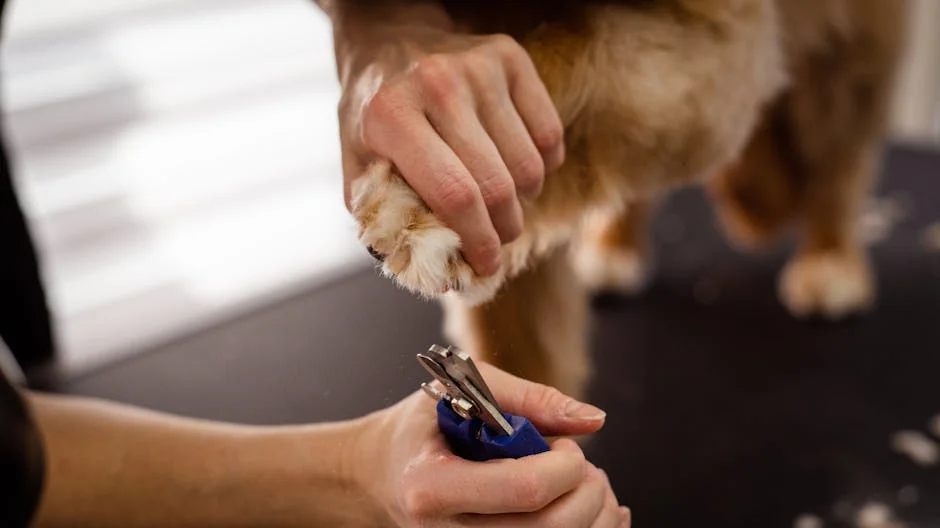
Dental disease is often overlooked as a cosmetic issue, but it is a silent killer. Periodontal disease causes chronic inflammation and allows bacteria from the mouth to enter the bloodstream. This bacteria can travel to and damage major organs, including the heart valves, liver, and kidneys.
To prevent this, aim to brush your dog’s teeth daily using enzyme-based dog toothpaste. If daily brushing isn’t possible, aim for at least three times a week. Supplement this with Veterinary Oral Health Council (VOHC) accepted dental chews or water additives, but remember that these are supplements to brushing, not replacements.
Maintain Mental and Physical Stimulation

A sedentary dog is prone to faster aging. Physical exercise keeps the cardiovascular system strong, maintains muscle mass, and keeps joints lubricated. Customize the intensity to your dog’s breed and age; a Border Collie needs agility training, while a senior Pug might just need a steady, sniffing stroll.
The Importance of Brain Games
Cognitive decline is common in aging dogs. Keep your dog’s brain elastic by exposing them to new experiences.
- Rotate toys: Don’t leave all toys out at once.
- Use puzzle feeders: Make them work for their meals.
- Teach new tricks: Old dogs can and should learn new tricks to build neural pathways.
Be Proactive with Veterinary Care
Do not wait until your dog is sick to see the vet. Preventative medicine is the most effective tool for extending longevity.
Stick to a Schedule
- Puppies and Adults: One comprehensive exam per year.
- Seniors (7+ years): Two exams per year.
As dogs age, their health status can change rapidly. Twice-yearly visits for seniors allow veterinarians to catch conditions like kidney disease or heart murmurs before they become clinical emergencies.
Routine Screenings
Ask your vet for annual blood work (CBC and chemistry panel) and a urinalysis. These baselines allow you to track trends over time. If you notice liver enzymes creeping up slightly over two years, you can intervene with diet or supplements long before the liver fails.
Neutralize Environmental Risks

Accidents and toxins cut many dog lives short. You can prevent these tragedies by strictly managing your dog’s environment.
This includes “puppy-proofing” throughout the dog’s entire life. Keep toxins like xylitol (found in sugar-free gum and peanut butter), chocolate, grapes, and cleaning supplies securely out of reach.
Furthermore, keep your dog safe from physical trauma. Use a seatbelt or crash-tested crate in the car, and keep your dog leashed in uncontained areas to prevent them from running into traffic or conflicts with wildlife.
Minimizing Stress
Chronic stress releases cortisol, which suppresses the immune system and accelerates aging. Pay attention to your dog’s body language. If they show signs of anxiety—such as lip licking, yawning when not tired, or excessive panting—take steps to remove the stressor or desensitize them to it. Creating a safe, predictable routine creates a sense of security that contributes to overall well-being.
By combining strict weight control, aggressive dental care, and proactive veterinary screenings, you provide the best possible foundation for your dog to live a long, vibrant life by your side.