
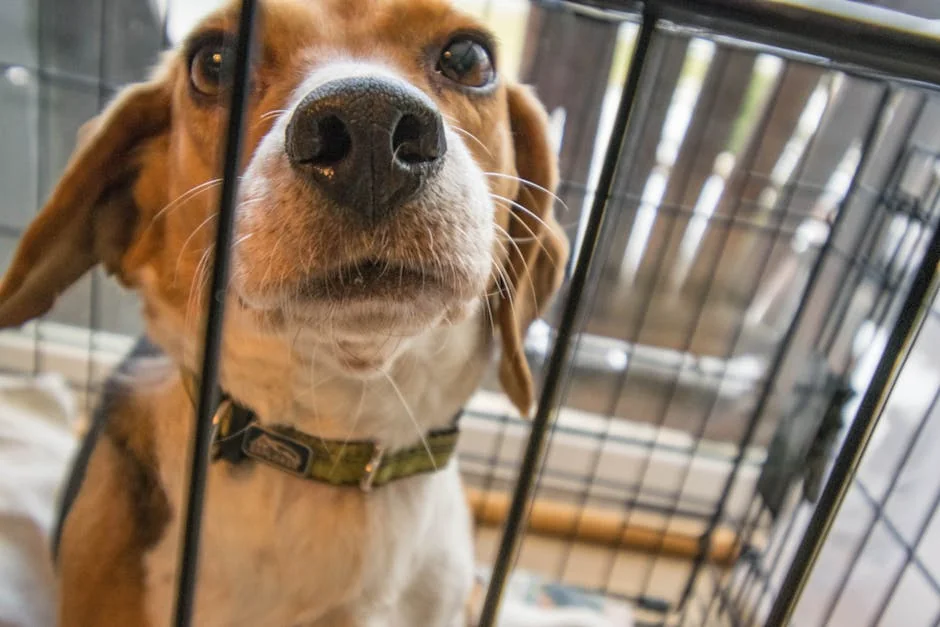
Crate training is one of the most effective ways to speed up housebreaking and keep your new dog safe when you cannot supervise them. By appealing to your puppy’s natural instinct to seek out a safe, quiet den, you can create a positive environment that prevents destructive behavior and separation anxiety.
Selecting the Correct Crate Size
Success begins with the equipment. If the crate is too large, your puppy may sleep in one corner and relieve themselves in another, defeating the purpose of house training. If it is too small, it will be uncomfortable and frightening.
Your puppy should have just enough room to stand up, turn around, and lie down comfortably.
- Wire Crates: excellent for airflow and visibility. Many come with divider panels, allowing you to adjust the size of the living space as your puppy grows.
- Plastic Crates: darker and more enclosed, which simulates a natural den. These are often better for puppies that are easily distracted by activity outside the crate.
The Golden Rule: It Is Never a Punishment
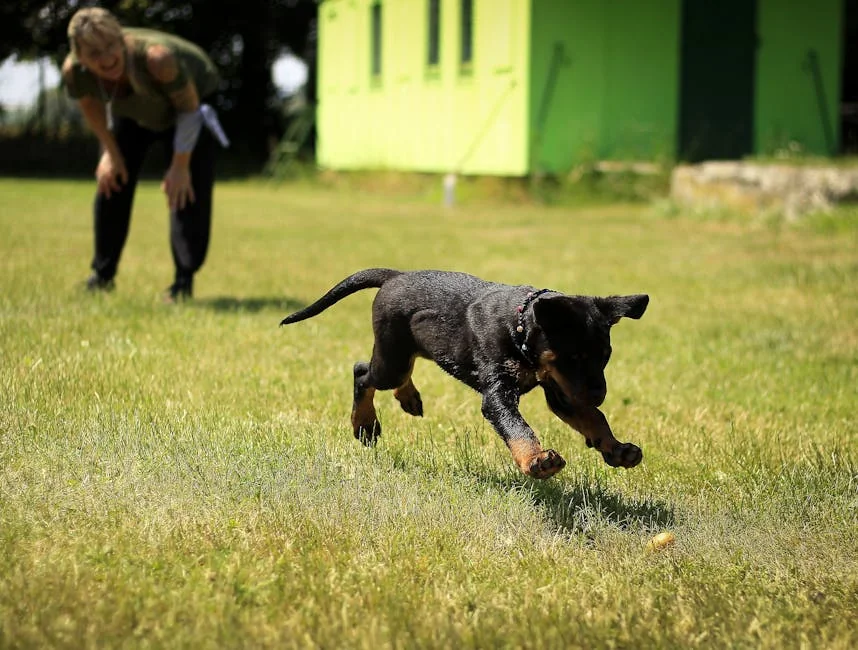
The crate must always be a place of safety and reward. Never force your puppy into the crate when you are angry, and never use it as a “time-out” zone for bad behavior. If you associate the crate with punishment, your puppy will learn to hate and fear it, leading to severe anxiety and reluctance to enter.
Step-by-Step Crate Training Process
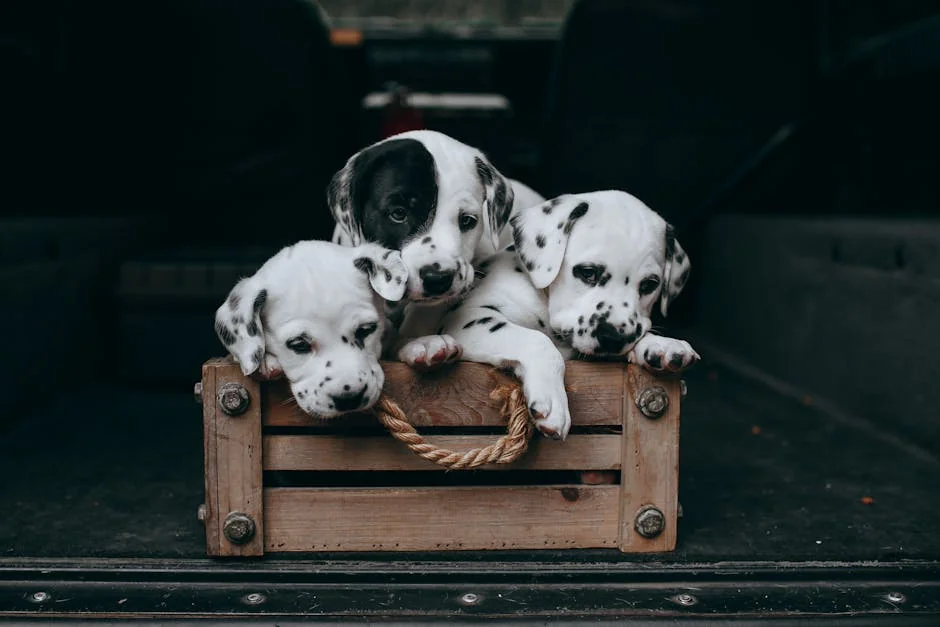
Crate training is a process of gradual exposure. Rushing these steps can cause setbacks, so move at your puppy’s pace.
Step 1: Introduction
Place the crate in a high-traffic area where your family spends time, such as the living room or kitchen. Make the inside inviting with a soft blanket or towel.
Keep the door propped open securely so it doesn’t hit the puppy. encourage them to explore the crate voluntarily by tossing small, high-value treats near the entrance, then just inside, and finally all the way to the back. Let them walk in, eat the treat, and walk out freely. Do not close the door yet.
Step 2: Feeding Meals in the Crate
Once your puppy enters the crate without hesitation to retrieve treats, begin feeding them their regular meals inside.
- Reluctant Puppies: Place the food bowl right inside the door.
- Confident Puppies: Place the food bowl all the way at the back.
While your puppy is eating, close the door. As soon as they finish their meal, open the door immediately. This teaches them that the door closing is a normal, temporary event associated with food.
Step 3: Extending the Time
After a few days of successful mealtime training, keep the door closed for short periods after they finish eating. Start with one or two minutes. If your puppy whines, wait for a brief moment of silence before opening the door. Opening it while they are barking teaches them that noise opens the door.
Step 4: Leaving the Room
Once your puppy can handle 10 minutes in the crate while you are present, start leaving the room.
- Command your puppy to enter the crate and give them a treat.
- Close the door and sit quietly near the crate for a few minutes.
- Stand up and leave the room for 1–2 minutes.
- Return, sit quietly for a moment, then let them out.
Gradually increase the time you are gone from 5 minutes to 30 minutes.
Managing Time Limits
Puppies have small bladders and cannot be crated for long durations. A general formula for how long a puppy can “hold it” is their age in months plus one. For example, a 3-month-old puppy can generally wait 4 hours maximum.
However, specific activities dictate shorter times:
- 8–10 Weeks old: 30 to 60 minutes max during the day.
- 11–14 Weeks old: 1 to 3 hours.
- 15–16 Weeks old: 3 to 4 hours.
If you work full-time, you must arrange for someone to let the puppy out for a potty break midday. Forcing a puppy to soil their crate can permanently damage their house-training instincts.
Handling Whining and Crying

Distinguishing between distress and a tantrum is vital.
Demand Whining
If your puppy has recently gone to the bathroom and is fed, whining likely means they want attention or simply want to be out. You must ignore this. If you acknowledge them or let them out while they are making noise, you reinforce the behavior. Wait for a lull in the noise (even 5 seconds of silence) before letting them out.
Need-Based Whining
If your puppy has been sleeping for a while and suddenly wakes up whining, they likely need a bathroom break. Taking them out immediately is crucial.
- Keep the interaction boring and low-energy.
- Take them directly to their potty spot.
- If they go, praise them calmly.
- If they do not go, put them back in the crate immediately.
Nighttime Crate Training
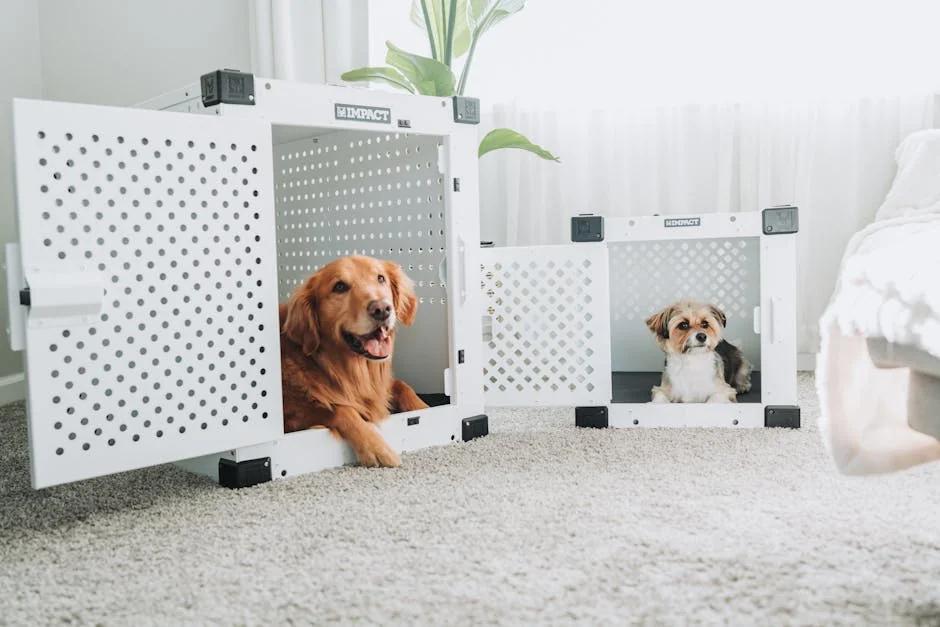
For the first few weeks, keep the crate in your bedroom or just outside the door. Your puppy needs the comfort of knowing you are nearby, and you need to hear them if they need a potty break in the middle of the night.
When you take them out at night, keep the lights low and do not play. It is strictly business. Once they are housebroken and sleeping through the night, you can gradually move the crate to a preferred location in the house.
Safety Tips

- Remove Collars: Always take off your puppy’s collar or harness before putting them in the crate to prevent choking hazards.
- Check Bedding: If your puppy tears up bedding or pees on it, remove the blankets. It is safer for them to sleep on the plastic tray than to ingest fabric or sleep on wet bedding.
- Provide Entertainment: Safe, durable chew toys (like a hard rubber toy stuffed with peanut butter) can help keep them occupied and create a positive association with crate time.