
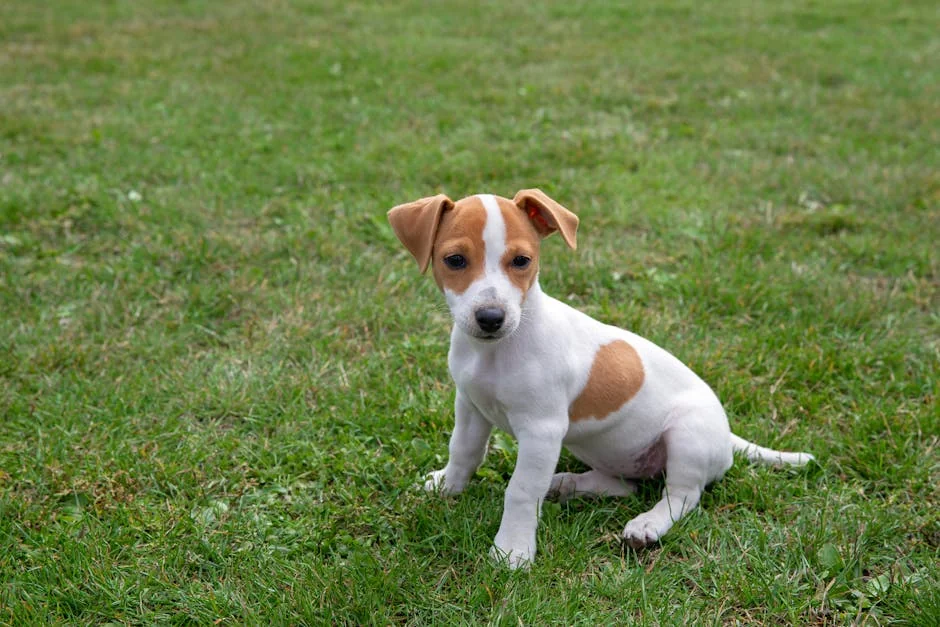
Socializing your new puppy is the single most important investment you can make in their future temperament and your life together. By systematically exposing them to the world during their developmental peak, you prevent fear-based aggression and anxiety, ensuring you raise a confident, well-adjusted adult dog.
Understanding the Critical Socialization Window
There is a biological deadline for socialization that you cannot ignore. The primary socialization window occurs between 3 and 14 weeks of age. During this time, your puppy’s brain is rapidly developing, and they are naturally curious rather than fearful.
Experiences the puppy has during this window—good or bad—become permanent fixtures in their worldview. If they meet a variety of people, hear loud noises, and walk on strange surfaces now, they will perceive these things as normal later. Once this window closes around four months of age, puppies naturally become more wary of new things, making socialization much more difficult and less effective.
Balancing Health Safety and Socialization
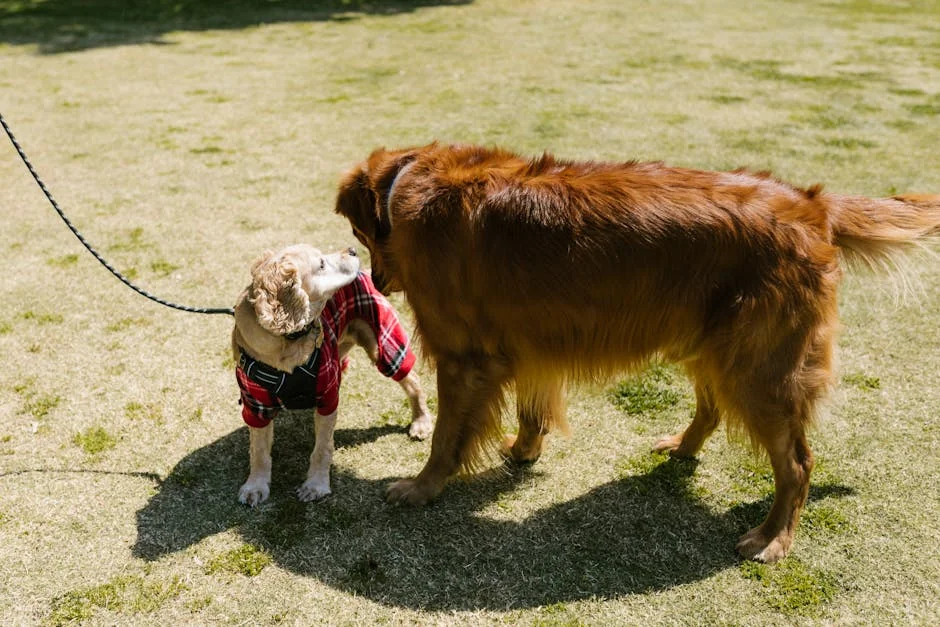
Many owners make the mistake of keeping their puppy entirely isolated until they are fully vaccinated (usually around 16 weeks). Veterinary behaviorists generally agree that the risk of behavioral issues due to lack of socialization is higher than the risk of disease, provided you are smart about exposure.
You do not need to put your puppy on the ground to socialize them. Until they have their second round of shots, carry them in a sling, a backpack, or your arms. This allows them to smell, see, and hear the world without touching contaminated soil where viruses like Parvo live.
The Principles of Positive Exposure
Socialization is not just about exposing your dog to things; it is about ensuring those exposures are positive. If you drag a terrified puppy into a crowd, you are effectively “anti-socializing” them by confirming that crowds are scary.
Manage the Environment
Control the interaction. If you are introducing your puppy to children, ensure the children are calm and sitting down. If you are introducing them to traffic noises, start at a distance where the puppy notices the sound but isn’t shaking.
Pair with High-Value Rewards
Every new experience should be paired with something the puppy loves. Use high-value treats (like boiled chicken or cheese) or a favorite toy.
If a large truck drives by, feed the puppy a stream of treats. You are creating a Pavlovian response: “Loud truck equals delicious chicken.” Eventually, the puppy will look to you for a treat rather than running away when they hear a loud noise.
Allow the Puppy to Choose
Never force your puppy to interact with a person or object they are afraid of. Forcing them usually increases fear. Instead, let them approach at their own pace. If they want to retreat, let them retreat.
Key Categories for Socialization
To be thorough, you need to expose your puppy to a diverse range of stimuli. Focus on these four main categories.
Handling and Touch
Your dog will need to visit the vet and the groomer for the rest of their life. You must prepare them for being handled around sensitive areas.
- Touch their ears, look inside them, and give a treat.
- Lift their paws, tap their nails, and handle their toes.
- Lift their tail and check their teeth.
- Restrain them gently as if you are giving a hug (similar to how a vet tech holds a dog for a shot).
Surfaces and Textures
Confidence is built through the paws. A dog that is comfortable on shifting or slippery surfaces is generally more confident in new environments. encourage your puppy to walk on:
- Tile, hardwood, and carpet.
- Gravel, mulch, and wet grass.
- Metal grates (like storm drains) and manhole covers.
- Wobbly surfaces like a balance disc or an air mattress.
Sounds and Sights
Noise phobia is a common issue in adult dogs that were not exposed to city sounds young. Play recordings of fireworks, thunderstorms, and crying babies at a low volume while playing with your puppy, gradually increasing the volume over weeks.
Outside, expose them to:
- Skateboards and bicycles (the motion often triggers a prey drive or fear response).
- Umbrellas opening and closing.
- Vacuum cleaners and hair dryers.
- People wearing hats, sunglasses, masks, or bulky winter coats.
Different Types of People
Puppies are not born understanding that a toddler, a tall man with a beard, and a person using a walker are all the same species. You must explicitly introduce them to diversity.
Aim for your puppy to meet varied groups of people. Ensure these strangers give the puppy treats so the puppy associates new humans with good things.
Recognizing Stress Signals

You must be an advocate for your puppy. If they are overwhelmed, you need to intervene immediately. A puppy that is “shut down” (frozen and unresponsive) is not learning; they are surviving.
Watch for these subtle signs of stress:
- Whale Eye: You can see the whites of their eyes.
- Lip Licking: Frequent licking of the nose or lips when no food is present.
- Yawning: Yawning when they are not tired is a sign of anxiety.
- Pinned Ears: Ears held tight against the head.
Troubleshooting Fear Reactions
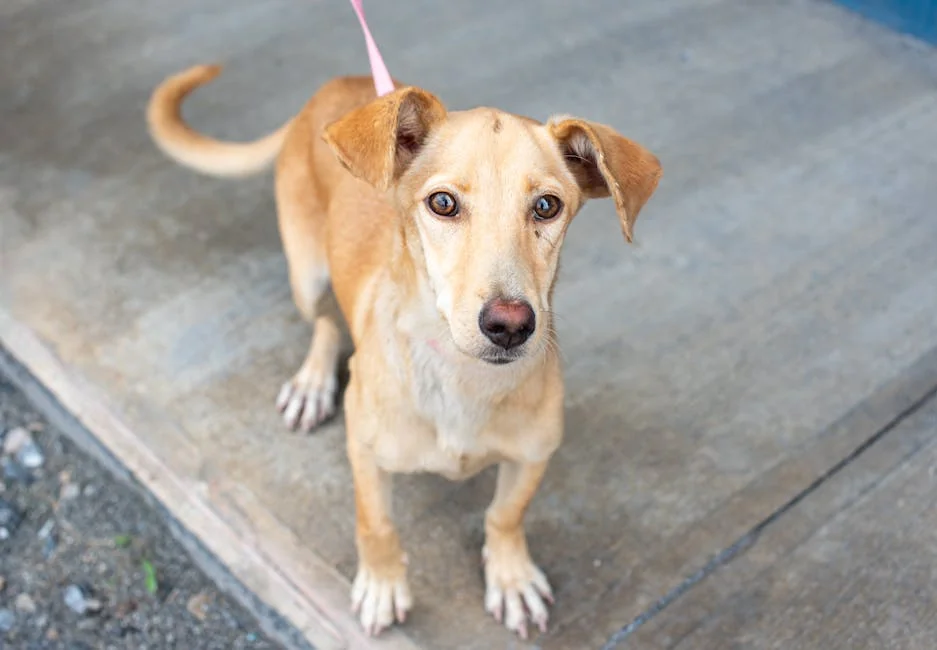
It is normal for a puppy to be startled. If your puppy barks at a trash can or hides behind your legs, do not coddle them with “It’s okay” in a soothing voice, as this can inadvertently reinforce the nervous behavior.
Instead, act happy and confident. Use a cheerful tone. “Look at that! What is it?” Increase your distance from the scary object until the puppy relaxes, then reward them for looking at it without reacting. This technique, known as desensitization and counter-conditioning, turns a scary object into a neutral or positive one over time.
Socialization is a race against the clock, but it is also a marathon of consistency. Put in the work during these first few months, and you will enjoy the company of a relaxed, adaptable dog for years to come.