
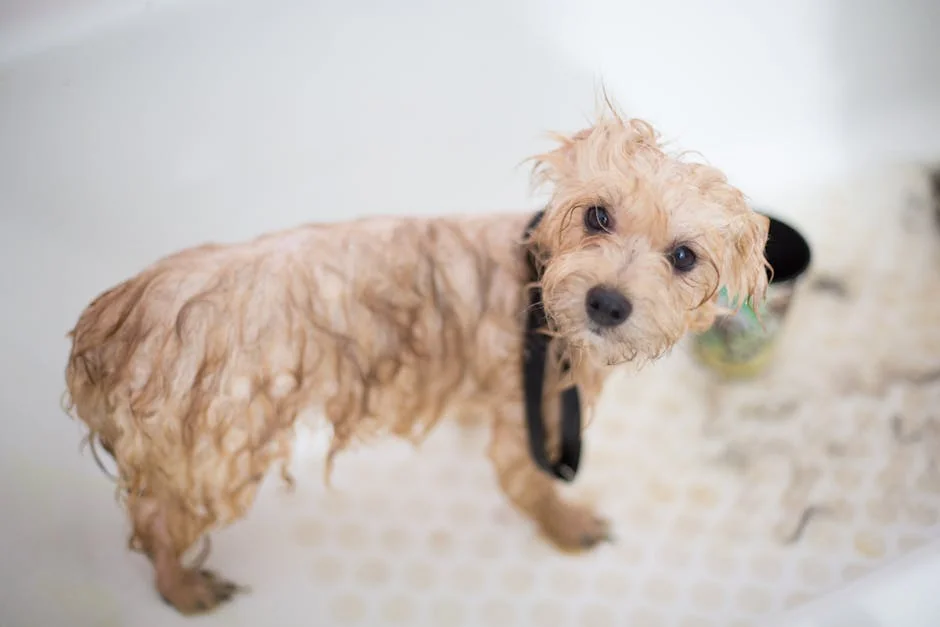
Dealing with a smelly dog can make your home feel unclean and make cuddling with your pet unpleasant. By addressing proper hygiene habits, dietary adjustments, and specific health checks, you can neutralize odors at the source rather than just masking them with perfumes.
Master the Bathing Routine
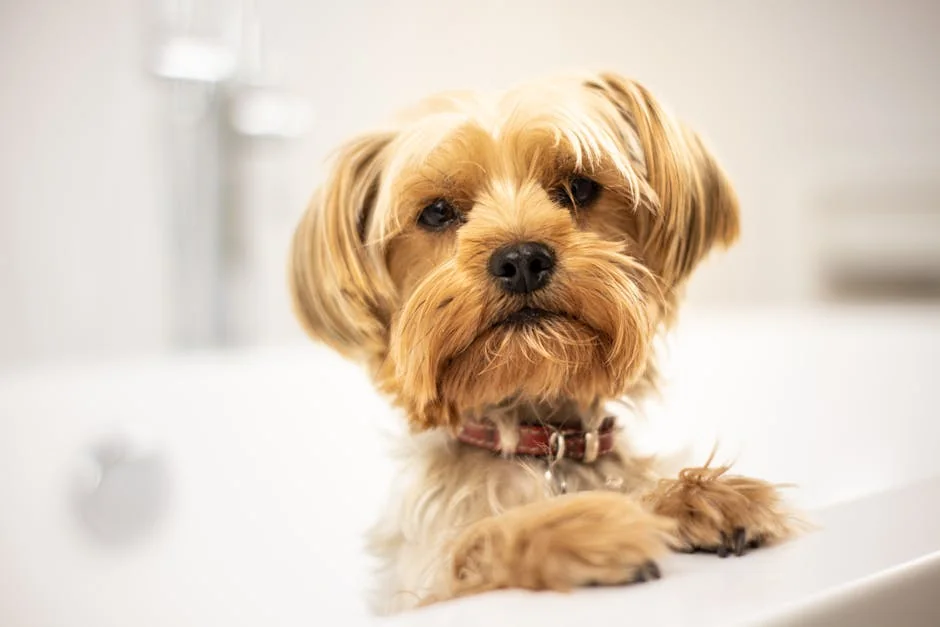
Bathing is the most obvious solution, but doing it incorrectly can actually make the problem worse or damage your dog’s skin.
Establish the Right Frequency
You should not bathe your dog every week unless they have a specific skin condition requiring medicinal baths. Over-bathing strips natural oils, leading to dry, irritated skin that produces excess sebum (oil) to compensate, which inevitably leads to more smell. For most breeds, a bath once a month is sufficient.
Use the Correct Products
Never use human shampoo on your dog. Human skin is more acidic, while dog skin is more neutral. Human products disrupt their acid mantle, creating an environment for bacteria and parasites to thrive. Look for:
- Oatmeal-based shampoos for sensitive skin.
- Citrus or tea tree oil shampoos for natural deodorizing (ensure they are formulated specifically for dogs).
- Chlorhexidine shampoos if your dog suffers from fungal or bacterial skin issues.
Dry Completely
The dreaded “wet dog smell” is caused by bacteria and yeast feeding on the moisture trapped in the fur. If you leave your dog damp, you are creating a breeding ground for odors. Towel dry your dog vigorously and follow up with a blow dryer on a cool or low-heat setting. Ensure the undercoat is fully dry, not just the top layer.
Target Specific Odor Zones

Sometimes, a general bath isn’t enough because the smell originates from a specific part of your dog’s body.
Clean the Ears
Lift your dog’s ear flap and take a sniff. If it smells like rising bread or unwashed socks, your dog likely has a yeast or bacterial infection. Regular cleaning is essential, especially for dogs with floppy ears.
- Apply a compromised vet-approved ear cleaning solution to a cotton ball.
- Gently wipe the visible inside of the ear flap and the entrance to the ear canal.
- Do not use Q-tips, as these can push debris further in or damage the eardrum.
Brusht the Teeth
Bad breath (halitosis) is a major contributor to overall dog odor. If your dog’s breath smells foul, it indicates plaque buildup, gum disease, or decaying teeth.
- Daily Brushing: Use a canine toothbrush and enzymatic toothpaste (never fluoride).
- Dental Chews: Provide textured chews that scrape tartar off the teeth mechanically.
- Vet Cleaning: If the tartar is hardened into calculus, you will need a professional cleaning by a veterinarian.
Check the Anal Glands
If your dog smells distinctly fishy or metallic, the odor is likely coming from their anal glands. These are two small sacs located on either side of the anus. They usually empty naturally during defecation, but they can become impacted or infected. If you notice your dog scooting on the floor or licking the area excessively, take them to a groomer or veterinarian to have the glands expressed safely.
Maintain Equipment and Environment
You cannot keep your dog smelling fresh if they immediately return to a dirty environment. Odors cling to fabrics and porous materials, re-contaminating your clean dog.
Wash Bedding Weekly
Your dog’s bed is a sponge for hair, dander, saliva, and dirt. Wash the removeable covers and the bed insert (if possible) weekly using hot water and a pet-safe, fragrance-free detergent. Adding a cup of white vinegar to the rinse cycle helps break down enzymes and neutralizes tough odors.
Clean the Collar and Leash
Many owners forget to wash the collar. This item sits directly against the skin and fur 24/7, collecting oils and bacteria.
- Nylon collars: Toss them in the washing machine or soak them in hot soapy water.
- Leather collars: Wipe them down with a mix of water and vinegar, then treat with a leather monitor to prevent cracking.
Incorporate Daily Maintenance
Micro-habits during the week can extend the freshness between baths.
Brush Daily
Brushing is not just about detangling; it is a cleaning mechanism. It removes loose fur and dead skin cells that trap foul-smelling bacteria. It also distributes natural oils across the coat, preventing distinct “greasy spots” that can smell rancid.
Use Waterless Foam or Wipes
For spot cleaning (like muddy paws or a dirty beard), use grooming wipes or waterless shampoo foam. These products break down surface dirt and add a fresh scent without the hassle of a full bath.
Assess Diet and Internal Health
If you have tried all external grooming methods and the smell persists, the issue may be internal.
Review the Ingredients
Low-quality dog foods filled with corn, wheat, or soy fillers can cause digestive issues, leading to excessive flatulence and poor skin health. A diet rich in high-quality proteins and essential fatty acids (like Omega-3 and Omega-6) supports a healthy skin barrier and reduces systemic inflammation.
Consult a Veterinarian
Persistent, unshakeable odors can signal underlying medical issues such as:
- Kidney disease: Can cause breath that smells like urine.
- Liver disease: Can cause extremely musty breath.
- Diabetes: Can result in sweet or fruity-smelling breath.
- Skin infections: Pyoderma (bacterial infection) or severe yeast dermatitis requires prescription medication.
By combining regular grooming routine with proper environmental hygiene and health monitoring, you can eliminate unpleasant smells and enjoy a cleaner, healthier companion.