
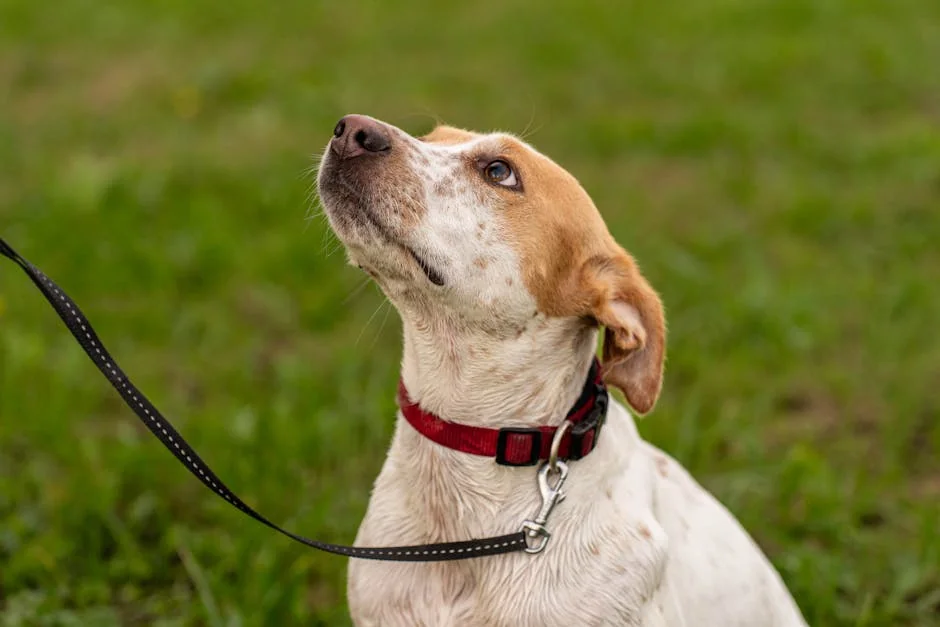
When your dog tilts their head to the side, it creates an undeniable moment of connection that often feels like they are hanging on your every word. While this behavior is endearing, it serves practical biological and psychological functions that help your dog understand and interact with the world around them.
They Are Fine-Tuning Their Hearing

The most primary reason dogs tilt their heads is to adjust their hearing mechanism. Unlike humans who have flat ears close to the skull, many dogs have ear flaps (pinnae) that can partially obstruct sound transmission, or they have ears positioned high on their heads.
By tilting their head, your dog is repositioning their ears to better locate the source of a sound. This movement allows them to triangulate exactly where a noise is coming from and judge the distance more accurately.
Locating Vertical Sounds
While dogs are excellent at determining if a sound is coming from the left or right, they struggle more with vertical localization—knowing if a sound is coming from above or below. Tilting the head alters the angle of the ear canal relative to the sound source, helping them pinpoint the vertical elevation of the noise.
It Improves Visual Clarity

Your dog’s muzzle might be interfering with their ability to see you clearly. Dr. Stanley Coren, a renowned expert in canine psychology, suggests that the length of a dog’s snout obstructs the lower part of their field of vision.
Imagine holding your fist against your nose and trying to view the world; the bottom portion of your view is blocked. By tilting their head, a dog moves their muzzle out of their central line of sight. This allows them a clear, unobstructed view of the object of their interest—usually you.
Reading Your Facial Expressions
Dogs rely heavily on your facial expressions to understand your emotional state. They scan your eyes and mouth to determine if you are happy, angry, or giving a command. A head tilt provides them with a better angle to see your entire face without their nose blocking the view of your mouth, ensuring they don’t misinterpret your cues.
They Are Showing Empathy and Intelligence
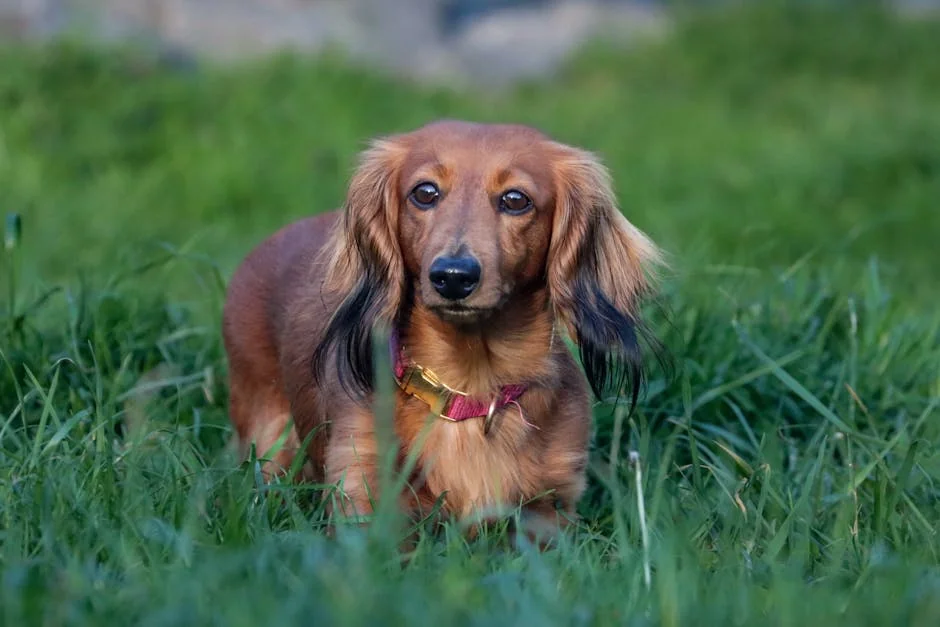
A head tilt is often a sign of high engagement and empathy. It indicates that your dog is actively listening and processing information.
Recent studies on “gifted” dogs—those with the ability to learn the names of multiple toys—show that these dogs tilt their heads significantly more often than typical dogs. This suggests that the behavior is linked to mental processing. When you speak, your dog is likely searching their mental database for familiar words like “walk,” “treat,” or “play.” The tilt signifies intense concentration as they attempt to decode the meaning behind your sounds.
You Have Reinforced the Behavior
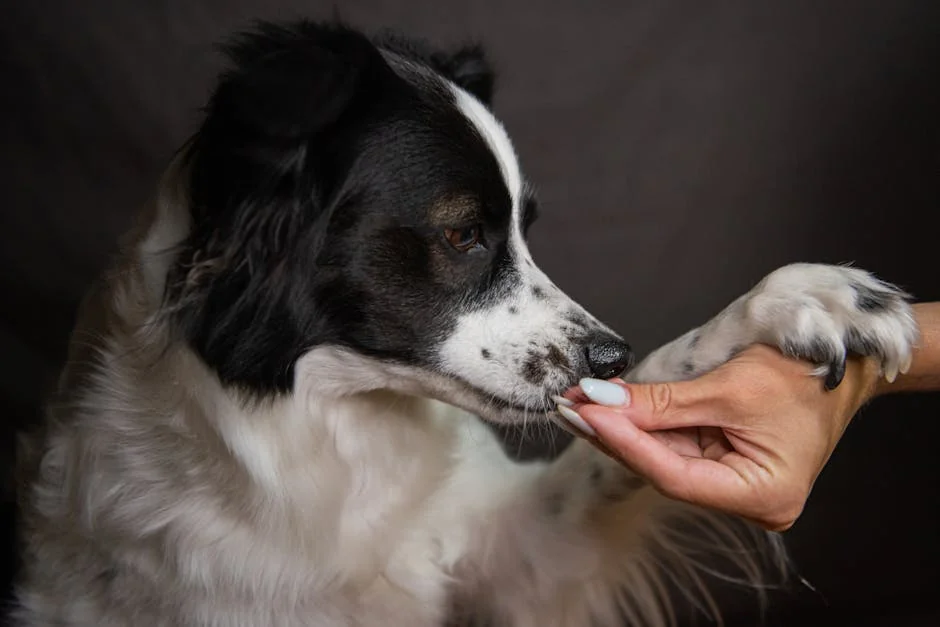
You play a significant role in why your dog tilts their head. Because humans find this behavior adorable, you likely respond with positive reinforcement without realizing it.
When your dog tilts their head, you might:
- Speak in a higher, affectionate pitch (“baby talk”).
- Smile or laugh.
- Offer physical affection.
- Give them a treat.
Dogs are masters of reading human reactions. Once they learn that this specific physical movement results in praise or rewards, they are more likely to repeat it to please you and strengthen your bond.
When to Be Concerned: Medical Issues
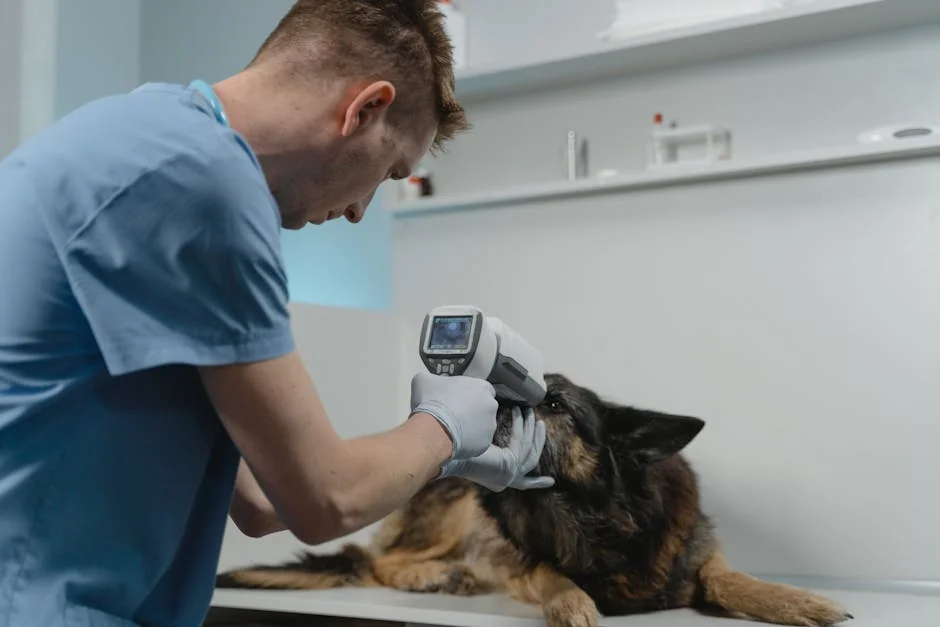
While a head tilt is usually a communication tool or sensory adjustment, it can sometimes indicate a medical problem. It is vital to distinguish between a voluntary, momentary tilt and an involuntary, persistent one.
Vestibular Disease
The vestibular system, located in the inner ear and brain, controls balance. If your dog tilts their head constantly, even when not interacting with you, they may be suffering from vestibular disease. This condition can affect older dogs and often appears suddenly.
Ear Infections
A deep ear infection can cause pain and inflammation, prompting your dog to hold their head to the side to relieve pressure. If the tilt is accompanied by scratching at the ear, redness, or an odor, this is a sign of infection rather than curiosity.
Symptoms That Require a Vet Visit
You should contact your veterinarian immediately if the head tilt is persistent and accompanied by:
- Lack of coordination or stumbling.
- Nausea or vomiting.
- Excessive drooling.
- Rapid, involuntary eye movement (nystagmus).
- Reluctance to eat or drink.
If your dog only tilts their head when you make a weird noise or ask a question, it is a healthy, communicative feature of your relationship. It means you have their full attention, and they are doing their best to understand exactly what you need from them.